

Introduction
Planning an international trip is exciting, but understanding the Visa and Entry Requirements Guide is one of the most important steps before booking your flight. Every country has its own immigration policies, travel rules, and documentation requirements. Missing even a single document can result in denied boarding, delays, or refusal of entry at the destination.
Whether you’re traveling for tourism, business, education, work, or family visits, knowing the correct visa and entry requirements helps you avoid unnecessary stress. Many travelers focus only on finding cheap flights and hotels while overlooking essential paperwork. However, proper preparation ensures a smooth journey from departure to arrival.
This Visa and Entry Requirements Guide explains everything beginners and experienced travelers need to know. You’ll learn about different visa types, passport validity rules, required travel documents, financial proof, travel insurance, health certificates, and immigration procedures. You’ll also discover practical examples, expert advice, and common mistakes to avoid.
By following this guide, you’ll be better prepared to complete your visa application successfully and confidently enter your destination country. Understanding these requirements not only saves time and money but also reduces the chances of travel disruptions.
What is Visa and Entry Requirements Guide?
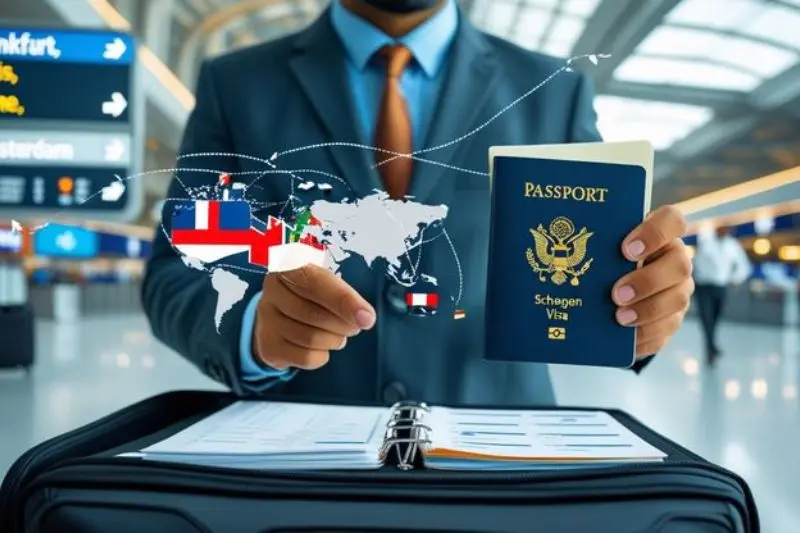
A Visa and Entry Requirements Guide is a complete resource that explains the legal documents and conditions travelers must meet before entering another country.
While some countries allow visa-free travel, many require visitors to obtain a visa before departure or upon arrival. Besides a visa, travelers may also need supporting documents such as:
- A valid passport
- Return or onward ticket
- Hotel reservation
- Travel insurance
- Proof of sufficient funds
- Invitation letter (if applicable)
- Vaccination certificates
- Passport-sized photographs
Each destination sets its own immigration rules based on nationality, travel purpose, and intended length of stay.
For example:
- A tourist visiting another country may need a tourist visa.
- A student must obtain a student visa.
- A business traveler usually requires a business visa.
- Someone accepting employment needs a work visa.
Understanding these requirements in advance prevents unexpected travel problems.
Why is Visa and Entry Requirements Guide Important?

Knowing visa and immigration requirements offers several advantages before your journey begins.
Prevents Travel Delays
Incomplete paperwork is one of the leading reasons travelers experience delays or denied boarding.
Increases Visa Approval Chances
Submitting complete and accurate documents significantly improves your chances of receiving visa approval.
Saves Time
Proper planning avoids last-minute document collection and repeated embassy visits.
Reduces Financial Losses
Visa refusals may cause travelers to lose money spent on flights, hotels, and travel arrangements.
Ensures Legal Entry
Following immigration rules helps you enter and stay in a country legally without violating visa conditions.
Builds Confidence
When every required document is prepared correctly, international travel becomes much less stressful.
Detailed Step-by-Step Guide
Step 1: Check Passport Validity
Your passport is the most important travel document.
Many countries require your passport to remain valid for at least six months beyond your arrival date. Some also require two or more blank visa pages.
Before planning your trip:
- Check expiration date
- Replace damaged passports
- Ensure personal information is correct
- Verify blank page availability
Example:
If your passport expires in four months but your destination requires six months of validity, renew it before applying for a visa.
Step 2: Determine Whether You Need a Visa
Not every destination requires a visa.
Visa requirements depend on:
- Your nationality
- Destination country
- Purpose of travel
- Duration of stay
Possible travel options include:
- Visa-free entry
- Visa on arrival
- Electronic visa (eVisa)
- Embassy or consulate visa
- Transit visa
Always verify the latest immigration rules before booking flights.
Step 3: Choose the Correct Visa Type
Applying for the wrong visa category often results in rejection.
Common visa categories include:
Tourist Visa
For vacations, sightseeing, and visiting family or friends.
Business Visa
For attending meetings, conferences, or business negotiations.
Student Visa
For full-time academic programs.
Work Visa
Required for employment abroad.
Transit Visa
Needed when passing through another country during travel.
Medical Visa
Issued for receiving medical treatment overseas.
Choose the category that matches your travel purpose.
Step 4: Gather Required Documents
Although requirements vary by country, most visa applications require:
- Valid passport
- Visa application form
- Passport photographs
- Flight itinerary
- Hotel booking
- Travel insurance
- Bank statements
- Employment letter
- Invitation letter (if applicable)
- Proof of accommodation
Some countries may request additional documentation depending on your circumstances.
Organize documents carefully before submission to avoid unnecessary delays.
Step 5: Complete the Visa Application Form
Many applications are now completed online, while others still require paper forms.
When filling out your application:
- Use accurate personal details.
- Match passport information exactly.
- Avoid spelling mistakes.
- Double-check travel dates.
- Provide truthful answers.
Even small errors can delay processing or lead to rejection.
Step 6: Pay the Visa Fee
Most visa applications require a non-refundable processing fee.
Payment methods may include:
- Online payment
- Credit card
- Bank transfer
- Cash at visa centers
Keep the payment receipt because it may be requested during processing.
Step 7: Schedule a Visa Appointment
Some countries require applicants to visit:
- Embassy
- Consulate
- Visa Application Center
During the appointment, officials may:
- Verify documents
- Collect fingerprints
- Capture photographs
- Conduct a short interview
Arrive early and carry both original documents and photocopies.
Step 8: Attend the Visa Interview
Not every country requires an interview, but when one is scheduled, preparation is important.
Interview officers generally ask about:
- Purpose of travel
- Length of stay
- Financial resources
- Employment
- Accommodation plans
- Return intentions
Answer honestly and confidently. Keep your responses clear and consistent with your application.
Step 9: Track Your Visa Application
After submitting your application, most embassies or visa centers provide a tracking number.
You can usually monitor your application status online. Processing times vary depending on the destination, season, and visa category. Avoid making non-refundable travel arrangements until your visa has been approved.
Step 10: Prepare for Immigration Checks
Receiving a visa does not automatically guarantee entry into a country. Immigration officers at the airport or border have the final authority to admit travelers.
Carry both printed and digital copies of important documents, including:
- Passport
- Visa approval
- Return or onward ticket
- Hotel reservation
- Travel insurance
- Financial proof
- Invitation letter (if applicable)
Be prepared to answer simple questions about your trip honestly and confidently.
Benefits of Visa and Entry Requirements Guide
Following a proper Visa and Entry Requirements Guide provides several advantages:
- Reduces the chances of visa rejection.
- Helps travelers prepare all required documents.
- Saves time during the application process.
- Minimizes unexpected travel delays.
- Improves confidence during immigration checks.
- Prevents costly booking mistakes.
- Ensures compliance with immigration laws.
- Makes international travel smoother and less stressful.
- Helps first-time travelers understand the entire process.
- Encourages better travel planning and budgeting.
Disadvantages / Risks
Ignoring visa and entry requirements can create serious problems, such as:
- Visa rejection because of incomplete documents.
- Financial loss from canceled flights or hotel bookings.
- Delayed travel plans.
- Denied boarding by airlines.
- Refusal of entry at immigration.
- Additional document requests causing delays.
- Non-refundable visa application fees.
- Stress caused by last-minute paperwork.
- Travel bans due to overstaying previous visas.
- Missed educational or business opportunities.
Common Mistakes to Avoid
Many visa applications are delayed or rejected because of avoidable errors.
Here are the most common mistakes:
- Applying for the wrong visa category.
- Submitting incomplete application forms.
- Using outdated passport photographs.
- Providing incorrect passport information.
- Booking expensive non-refundable tickets before visa approval.
- Ignoring passport validity requirements.
- Forgetting to include financial proof.
- Providing inconsistent travel information.
- Missing interview appointments.
- Waiting until the last minute to apply.
Avoiding these mistakes greatly increases the chances of a successful application.
Frequently Asked Questions (FAQs)
1. What is the diffence between a visa and a passport?
A passport is your official identity and travel document issued by your home country. A visa is permission granted by another country allowing you to enter for a specific purpose and period.
2. How long does visa processing usually take?
Processing times vary by country and visa type. Some electronic visas are approved within a few days, while embassy-issued visas may take several weeks. Applying early is always recommended.
3. Can my visa application be rejected?
Yes. Common reasons include incomplete documents, insufficient financial proof, incorrect information, weak travel history, or failure to meet immigration requirements.
4. Do children need visas?
Many countries require children to have their own passports and, depending on nationality and destination, their own visas. Requirements differ, so always check before traveling.
5. Is travel insurance mandatory?
Some countries make travel insurance compulsory, especially for tourist or short-term visas. Even where it is optional, insurance is highly recommended because it can cover medical emergencies, cancellations, or lost baggage.
6. What should I do if my visa is refused?
Read the refusal notice carefully to understand the reason. Correct any issues, gather stronger supporting documents if necessary, and apply again only when you meet all the requirements.
Expert Tips & Bonus Points
Experienced travelers recommend the following practices:
- Apply at least one to three months before your planned departure.
- Scan and save digital copies of every travel document.
- Keep printed copies in your carry-on luggage.
- Double-check spelling, passport numbers, and travel dates.
- Maintain sufficient funds in your bank account before applying.
- Dress neatly and answer confidently if an interview is required.
- Read all visa conditions carefully, including the permitted length of stay.
- Respect immigration rules and avoid overstaying your visa.
- Keep emergency contact information with your travel documents.
- Review entry requirements again a few days before departure in case policies change.
These simple habits can make your travel experience much smoother.
Conclusion
International travel becomes much easier when you understand the Visa and Entry Requirements Guide before planning your journey. Every destination has unique immigration rules, and preparing the correct documents well in advance helps you avoid unnecessary stress, delays, and financial losses.
From checking passport validity and selecting the right visa type to submitting accurate documents and preparing for immigration inspections, each step plays an important role in a successful trip. Careful planning not only increases the likelihood of visa approval but also gives you greater confidence when crossing international borders.
Whether you are traveling for tourism, business, education, employment, or family visits, staying informed about entry requirements is essential. Immigration policies can change, so always verify the latest requirements before departure and ensure all supporting documents are complete and accurate.
A well-prepared traveler enjoys a smoother airport experience, fewer unexpected problems, and greater peace of mind throughout the journey. By following the advice in this guide, you can reduce common mistakes, improve your chances of approval, and focus on enjoying your international travel experience. Good preparation is the foundation of safe, legal, and successful travel, making every trip more enjoyable from departure to arrival.
