

Introduction
Traveling is one of the most rewarding experiences, allowing people to discover new destinations, experience different cultures, and create unforgettable memories. Many people believe that exploring the world requires a large budget, but that is not always true. With careful planning, smart budgeting, and informed decisions, anyone can enjoy an exciting trip without spending a fortune. This Budget Travel Guide for Every Traveler is designed to help beginners and experienced travelers learn practical ways to reduce travel costs while still enjoying comfortable accommodations, delicious local food, and memorable attractions. Whether you are planning a short weekend getaway or a long international vacation, understanding how to manage your travel expenses can make every journey more enjoyable and stress-free.
A successful budget trip starts with proper preparation. Choosing affordable destinations, booking flights at the right time, selecting budget-friendly accommodations, using public transportation, and controlling daily expenses can significantly lower your overall travel costs. This Budget Travel Guide for Every Traveler explains proven money-saving strategies, practical travel tips, and simple budgeting techniques that help you avoid common financial mistakes while making the most of every dollar you spend. By following the advice in this guide, you can travel more confidently, visit more destinations, and enjoy meaningful experiences without putting unnecessary pressure on your finances.
What is Budget Travel Guide for Every Traveler?
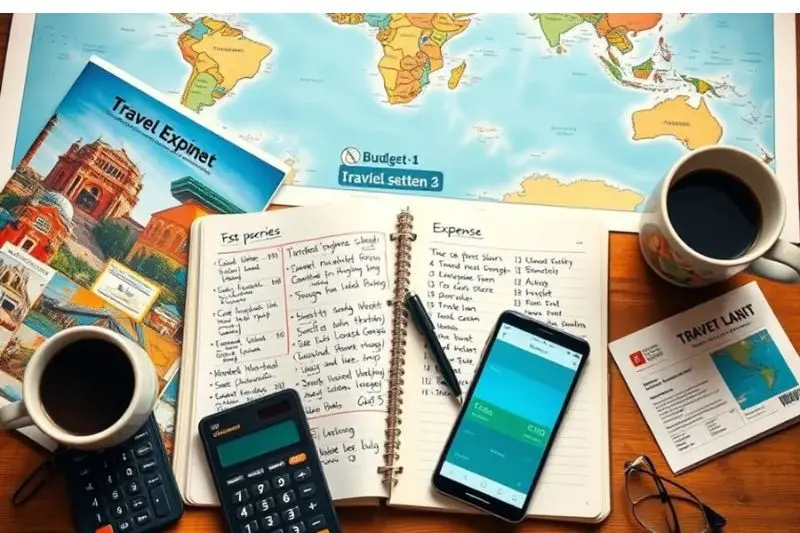
A Budget Travel Guide for Every Traveler is a practical resource that helps travelers explore destinations while keeping expenses under control. It focuses on careful planning, smart budgeting, and making cost-effective decisions before and during a trip. Rather than sacrificing comfort or memorable experiences, budget travel is about getting the best value for your money.A complete budget travel plan usually includes creating a travel budget, finding affordable flights, choosing budget-friendly accommodations, saving on transportation, managing food expenses, planning low-cost activities, and preparing for unexpected costs. Whether you are traveling alone, with family, or with friends, following a well-planned budget allows you to enjoy more experiences without unnecessary financial stress.
A complete budget travel plan usually includes creating a travel budget, finding affordable flights, choosing budget-friendly accommodations, saving on transportation, managing food expenses, planning low-cost activities, and preparing for unexpected costs. Whether you are traveling alone, with family, or with friends, following a well-planned budget allows you to enjoy more experiences without unnecessary financial stress.
Why is Budget Travel Guide for Every Traveler Important?
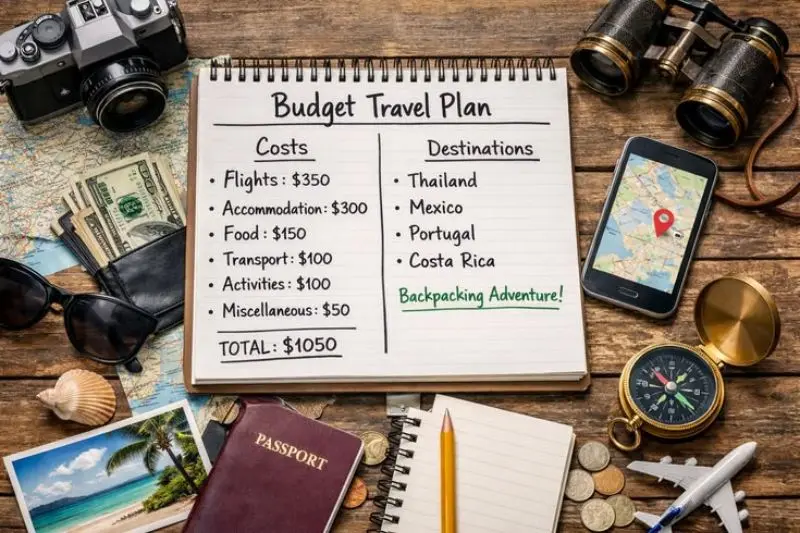
A good budget travel plan helps you spend wisely and avoid unnecessary financial pressure during your journey. It allows you to prepare in advance, compare prices, and make informed decisions that improve your overall travel experience.
Some of the key benefits include:
- Saves money on flights, hotels, and transportation.
- Reduces financial stress during your trip.
- Makes travel more affordable for everyone.
- Encourages better planning and budgeting.
- Helps you avoid unnecessary expenses.
- Allows you to travel more frequently.
- Improves your overall travel experience.
Detailed Step-by-Step Guide
Step 1: Set Your Travel Budget
Before booking anything, decide how much money you can comfortably spend. Divide your budget into categories such as transportation, accommodation, food, sightseeing, shopping, and emergency expenses. Having a clear spending plan helps you stay in control throughout your trip.
Step 2: Choose an Affordable Destination
Research destinations that fit your budget. Compare accommodation prices, transportation costs, food expenses, and local attractions. Traveling during the off-season can also help you save a significant amount of money while avoiding large crowds.
Step 3: Book Flights Early
Airfare is often one of the biggest travel expenses. Compare prices across different airlines, book several weeks or months in advance, remain flexible with your travel dates, and consider nearby airports to find better deals.
Step 4: Select Budget-Friendly Accommodation
Accommodation doesn’t have to be expensive. Budget hotels, hostels, guesthouses, vacation rentals, and homestays are excellent options. Read reviews carefully and compare amenities, location, and transportation costs before making your reservation.
Step 5: Pack Smart
Packing efficiently helps you avoid extra baggage fees and unnecessary purchases during your trip. Carry only essential clothing, toiletries, medications, travel documents, electronic chargers, and other items you truly need.
Step 6: Use Public Transportation
Instead of relying on taxis or private vehicles, use buses, trains, metro systems, or shared transportation whenever possible. Walking is another excellent way to save money while exploring local neighborhoods and attractions.
Step 7: Save Money on Food
Food expenses can quickly increase if you eat at expensive restaurants every day. Choose local eateries, enjoy street food from reputable vendors, shop at supermarkets for snacks, and book accommodations that include complimentary breakfast whenever possible.
Step 8: Plan Your Daily Activities
Research free or low-cost attractions before arriving at your destination. Parks, museums with free entry days, beaches, walking tours, historical landmarks, and local festivals provide enjoyable experiences without adding significantly to your travel budget.
Step 9: Track Your Spending During the Trip
One of the easiest ways to stay within your travel budget is to monitor your expenses every day. Record what you spend on transportation, meals, shopping, attractions, and other activities. Many travelers use a notebook or budgeting app to keep track of daily expenses. Reviewing your spending regularly helps you identify unnecessary purchases and adjust your budget before overspending.
Step 10: Prepare for Unexpected Expenses
Even a well-planned trip can include unexpected costs such as medical emergencies, transportation delays, lost luggage, or changes to your itinerary. Set aside an emergency fund before traveling so you can handle these situations without disrupting your entire budget. Having travel insurance and keeping extra cash or an emergency payment method can also provide additional peace of mind.
Benefits of Budget Travel Guide for Every Traveler
Following a Budget Travel Guide for Every Traveler offers many advantages:
- Helps you save money on every trip.
- Makes travel possible even with a limited budget.
- Encourages better financial planning.
- Reduces unnecessary spending.
- Allows you to travel more often.
- Helps you discover affordable destinations.
- Improves confidence when planning trips.
- Minimizes financial stress during travel.
- Encourages smarter spending habits.
- Creates more enjoyable and organized travel experiences.
Disadvantages / Risks
Although budget travel has many benefits, there are a few challenges to consider:
- Limited flexibility when booking the cheapest options.
- Budget accommodations may offer fewer amenities.
- Discount flights may include additional baggage fees.
- Traveling during peak seasons can reduce available budget options.
- Focusing only on low prices may affect comfort.
- Last-minute bookings are usually more expensive.
- Unexpected emergencies can increase travel costs.
- Poor planning may result in hidden expenses.
Proper planning and research can reduce most of these risks.
Common Mistakes to Avoid
Many travelers spend more than necessary because of avoidable mistakes. Keep these points in mind:
- Not creating a travel budget before booking.
- Waiting too long to purchase airline tickets.
- Ignoring baggage fees.
- Booking accommodation without reading reviews.
- Exchanging money at expensive airport counters.
- Eating at tourist-only restaurants every day.
- Forgetting to include emergency funds.
- Overspending on souvenirs.
- Not comparing prices before making reservations.
- Failing to research local transportation options.
Avoiding these mistakes will help you enjoy a smoother and more affordable journey.
Frequently Asked Questions (FAQs)
1. What is budget travel?
Budget travel is the practice of planning and enjoying trips while keeping expenses under control. It involves making smart decisions about transportation, accommodation, food, and activities without reducing the quality of the travel experience.
2. How much money should I save before traveling?
The amount depends on your destination, trip duration, and travel style. Create a detailed budget that includes transportation, accommodation, meals, sightseeing, shopping, and an emergency fund before making any reservations.
3. Is budget travel safe?
Yes. Budget travel is generally safe when you research your destination, choose reliable accommodations, protect your belongings, and follow local laws and safety guidelines.
4. How can I find cheaper flights?
Book flights early, compare airline prices, travel during off-peak seasons, choose flexible travel dates, and consider nearby airports to find better deals.
5. Can families travel on a budget?
Absolutely. Families can reduce travel costs by booking accommodations with kitchens, using public transportation, visiting free attractions, and planning meals in advance.
6. Why is an emergency fund important while traveling?
Unexpected situations such as medical emergencies, canceled flights, or lost belongings can happen at any time. An emergency fund helps you manage these expenses without affecting the rest of your travel budget.
Expert Tips & Bonus Points
Experienced travelers recommend these practical tips:
- Book flights several months in advance whenever possible.
- Travel during the shoulder or off-season to enjoy lower prices.
- Carry a reusable water bottle where safe drinking water is available.
- Compare accommodation prices before making reservations.
- Use public transportation instead of taxis whenever possible.
- Keep both digital and printed copies of important travel documents.
- Set a daily spending limit and review your expenses every evening.
- Pack light to avoid additional baggage charges.
- Learn a few basic local phrases to communicate more easily.
- Always leave room in your budget for unexpected opportunities and emergencies.
These habits can help you save money while making your trip more enjoyable and organized.
Conclusion
Traveling on a budget does not mean giving up comfort, adventure, or unforgettable experiences. With proper planning and smart financial decisions, anyone can explore new destinations without spending more than necessary. This Budget Travel Guide for Every Traveler has explained how to build a realistic travel budget, choose affordable destinations, book economical flights, find budget-friendly accommodations, save on transportation and food, and prepare for unexpected expenses. Each of these steps plays an important role in creating a successful and enjoyable trip.
Budget travel is about making informed choices rather than simply choosing the cheapest option. Careful research, early planning, and responsible spending allow you to maximize your travel experiences while protecting your finances. Whether you are traveling alone, with friends, or with family, following a clear budget helps reduce stress and gives you greater confidence throughout your journey.
By applying the practical tips and strategies shared in this guide, you can travel more often, discover incredible destinations, and create lasting memories without exceeding your budget. Every successful trip begins with thoughtful planning, and every smart financial decision brings you one step closer to your next adventure. Start preparing today, travel wisely, and enjoy meaningful experiences that fit comfortably within your budget.
