
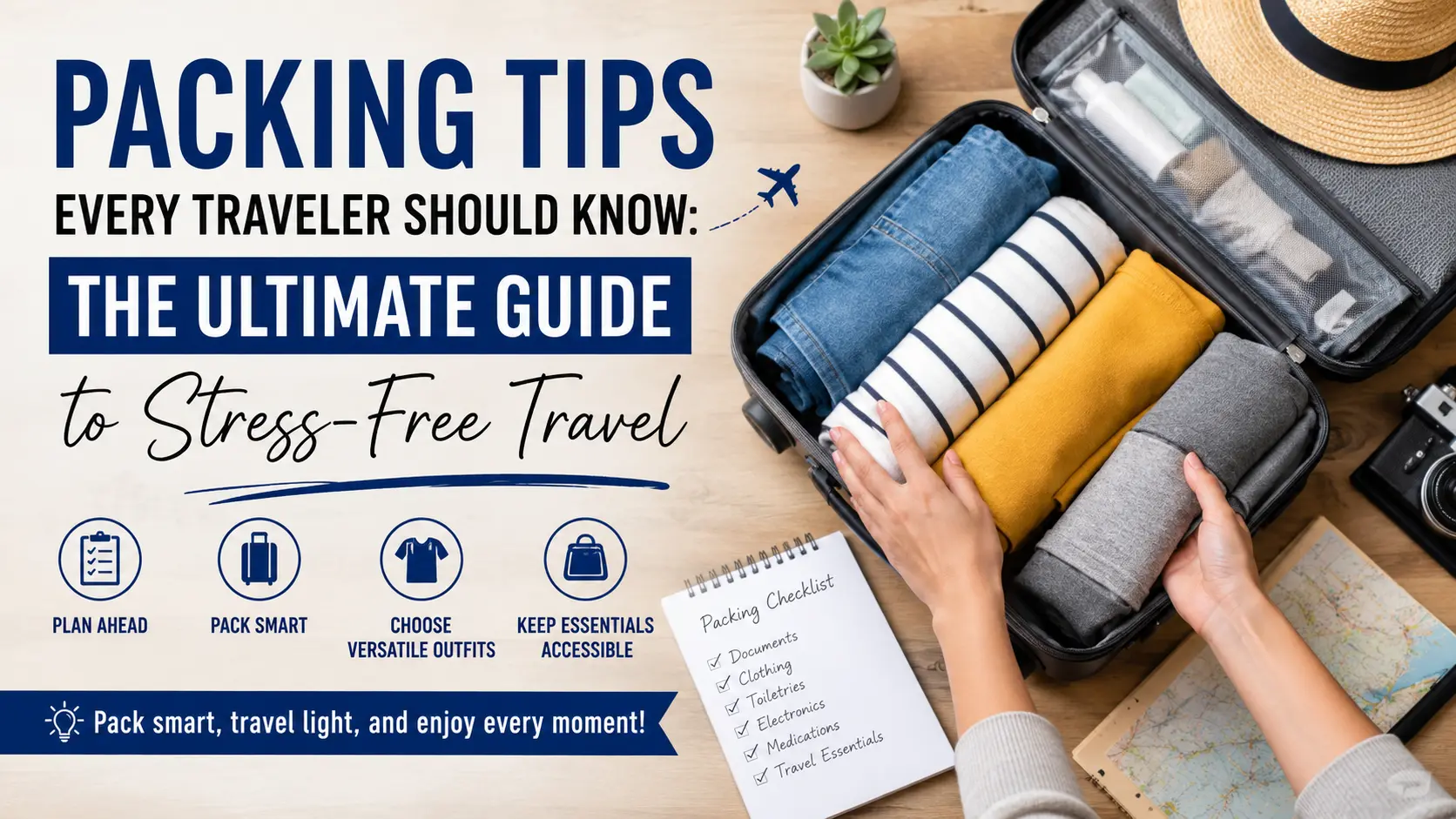
Introduction
Preparing for an upcoming adventure brings a wave of excitement, but it often brings a fair share of anxiety too. Staring at an empty suitcase can feel overwhelming, especially when you are trying to figure out how to fit your life into a small rectangular box. Many people end up either overpacking items they will never use or forgetting essential documents that are incredibly difficult to replace.
Learning the exact packing tips every traveler should know can completely transform your entire journey. Imagine walking through a bustling airport or navigating narrow cobblestone streets with a lightweight, perfectly organized bag. You will no longer have to worry about expensive overweight baggage fees or dig through an unorganized mess just to find a fresh pair of socks.
This comprehensive guide is designed specifically for beginner and intermediate travelers who want to streamline their preparation process. We will break down the absolute best strategies for choosing luggage, minimizing clothing bulk, and keeping your valuable electronics completely safe. By the time you finish reading, you will possess the confidence and knowledge needed to pack efficiently for any destination on the globe. Let us dive into the ultimate blueprint for stress-free travel preparation.
What is Smart Packing?
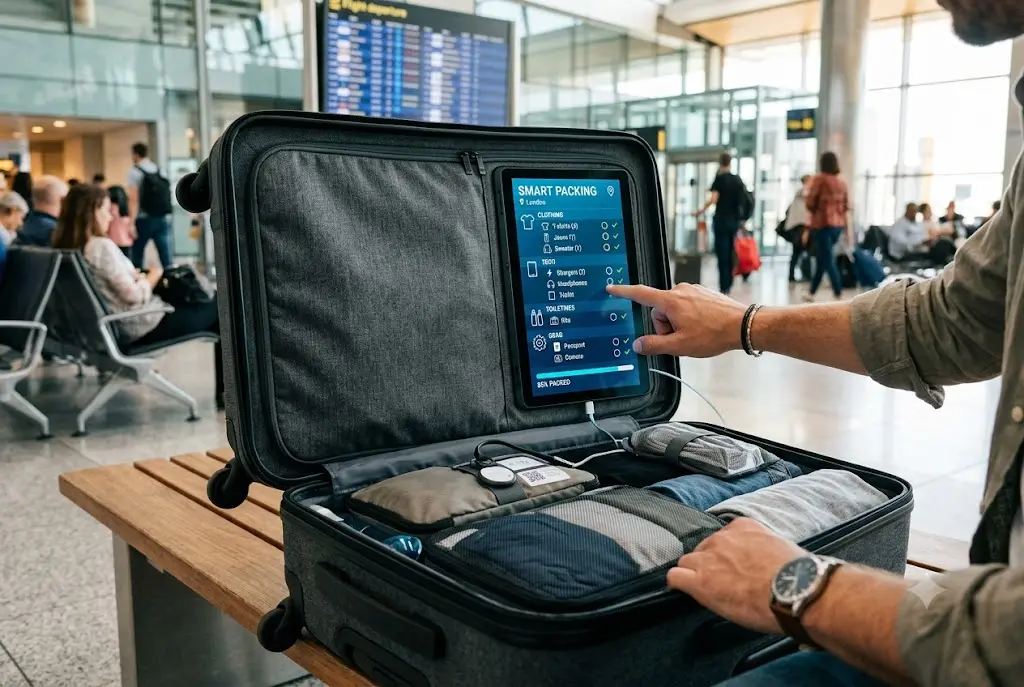
Smart packing is the deliberate process of selecting, organizing, and securing your belongings in a way that maximizes space and minimizes physical effort. It goes far beyond simply throwing random clothes into a suitcase a night before your flight. Instead, it involves strategic planning based on your destination, local weather forecasts, planned activities, and airline luggage restrictions.
At its core, this practice requires you to evaluate the true utility of every single item you plan to bring. It is a mindset that prioritizes versatility, functionality, and lightweight materials over excess variety. When you adopt these techniques, you shift from a reactive mindset to an organized approach that favors efficiency.
Furthermore, smart packing means utilizing specialized tools like compression sacks, packing cubes, and travel-sized containers to optimize the physical dimensions of your bag. It ensures that your most vital items remain easily accessible at security checkpoints while protecting your fragile belongings from accidental damage during transit.
Why is Mastering Packing Tips Every Traveler Should Know Important?
Mastering the best packing tips every traveler should know is crucial because it directly impacts your physical comfort, financial budget, and mental well-being throughout your trip. Heavy luggage restricts your physical mobility, making it incredibly difficult to catch public buses, climb stairs in historic train stations, or walk to your hotel.
From a financial perspective, global airlines are continuously tightening their baggage allowances and raising fees for checked luggage. By learning to pack efficiently, you can easily fit everything into a standard carry-on bag, saving hundreds of dollars in hidden airline fees over time. You also eliminate the risk of airlines losing your checked baggage during complex flight layovers.
Mentally, traveling light reduces a massive amount of cognitive stress. When you have fewer belongings to manage, you spend significantly less time packing and unpacking your room every time you change destinations. You can focus your valuable energy on enjoying new cultural experiences rather than constantly worrying about losing track of your personal possessions.
Detailed Step-by-Step Guide to Efficient Packing
Step 1: Choosing the Perfect Luggage
Your choice of baggage serves as the foundational base for your entire journey. You must decide between a structured rolling suitcase and a flexible travel backpack based on your itinerary. Rolling bags are fantastic for smooth airport terminals and paved urban sidewalks, while backpacks offer unmatched mobility across unpaved roads and stairs.
Look for a bag that complies fully with major airline carry-on dimensions, typically around 22 x 14 x 9 inches. Ensure the material is water-resistant and features durable, heavy-duty zippers. A lightweight bag allows you to pack more actual belongings without exceeding strict weight limits.
Step 2: Creating a Strict Packing List
Never attempt to prepare your bag without a physical or digital checklist. Start drafting your list at least one week before departure to avoid last-minute panic buying. Divide your checklist into distinct categories: documents, clothing, toiletries, electronics, and medication.
Be brutally honest with yourself during this process. Write down only the items you are absolutely certain you will use, rather than items you might want just in case. Review the list multiple times, crossing off redundant items until only the bare essentials remain.
Step 3: Mastering the Clothes Rolling Technique
Tightly rolling your clothing items instead of folding them flat is a revolutionary technique for saving space. Rolling compresses your clothes into compact cylinders, allowing you to utilize every single square inch of your suitcase.
[Fold Item in Half] ➔ [Smooth Out Wrinkles] ➔ [Roll Tightly From Hem to Collar]
This specific method minimizes deep fabric wrinkles because it removes the sharp creases caused by traditional folding. It works exceptionally well for t-shirts, jeans, shorts, and synthetic athletic wear, keeping your wardrobe neat and tidy.
Step 4: Implementing Packing Cubes
Packing cubes are small fabric containers that act like modular drawers for your luggage. They allow you to categorize your clothing by item type, color, or outfit day, making it incredibly easy to locate items without disrupting your entire bag.
Assign one cube for shirts, one for pants, and another for undergarments. When you arrive at your hotel, you can simply lift the cubes directly out of your suitcase and place them into the dresser drawers, keeping your living space perfectly organized.
Step 5: Consolidating Liquid Toiletries
Liquid restrictions are a standard part of modern aviation security. Purchase a set of reusable, leak-proof silicone bottles that meet the 3.4-ounce (100ml) maximum threshold. Transfer your favorite shampoos, conditioners, and lotions into these smaller containers.
Always place your liquid bottles inside a transparent, quart-sized plastic bag and position it near the top of your luggage. This ensures you can quickly pull the liquids out during airport security screenings without delaying the passengers behind you.
Step 6: Securing Your Expensive Electronics
Keep all valuable electronics, including laptops, cameras, tablets, and charging cables, in your primary carry-on bag or personal item. Never place expensive devices in checked baggage, where they run the risk of theft or severe physical damage.
Use a dedicated electronics organizer case to keep cords from tangling into knots. Invest in a high-quality universal travel adapter that features multiple USB ports, allowing you to charge all your devices simultaneously anywhere in the world.
Step 7: Organizing Important Documents
Keep your physical passport, flight boarding passes, hotel reservations, and insurance documents clustered together in a secure, RFID-blocking travel wallet. This pouch should remain close to your body or inside an easily accessible zippered pocket of your personal bag.
Before leaving your house, take clear digital photos of all these critical documents. Save them securely to a cloud storage drive that you can access offline, and email a duplicate copy to a trusted family member back home in case of emergencies.
Benefits of Implementing Proper Packing Tips
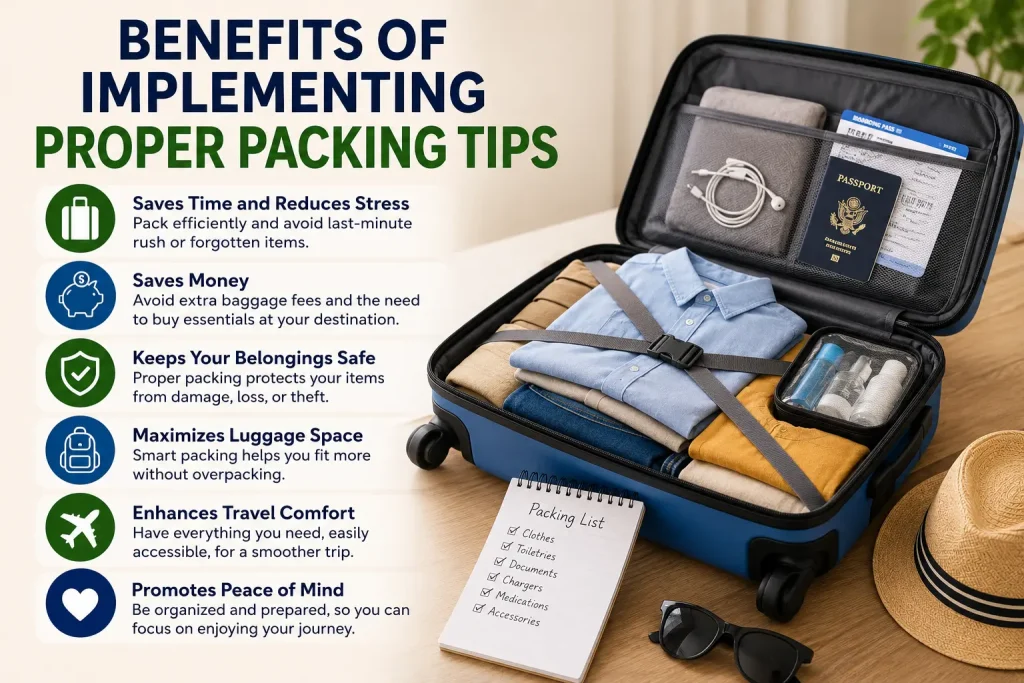
- Substantial Financial Savings: You can entirely avoid expensive checked bag fees and weight penalties by utilizing standard carry-on dimensions.
- Enhanced Physical Mobility: Walking through crowded transit hubs and navigating public transport becomes effortless when you carry a light load.
- Drastic Time Savings: You can bypass long airport check-in lines and completely skip the crowded baggage claim carousel after a tiring flight.
- Reduced Mental Stress: Knowing exactly where every single item is located in your bag eliminates daily frustration and anxiety.
- Better Protection for Belongings: Keeping your luggage organized prevents items from rubbing together and breaking during bumpy transit.
- Lower Risk of Total Loss: Keeping your essential items with you in the cabin eliminates the risk of an airline permanently losing your bag.
Disadvantages and Risks of Poor Packing
- Exorbitant Excess Fees: Airlines regularly charge steep, unexpected fees at the boarding gate if your luggage exceeds their size or weight limits.
- Physical Pain and Fatigue: Lugging an oversized, heavy suitcase can cause severe muscle strain in your shoulders, back, and wrists.
- Damaged Items from Spills: Failing to properly secure liquid toiletries can result in shampoo exploding all over your clean wardrobe.
- Wasted Vacation Time: Spending valuable morning minutes digging frantically through a messy bag to find an item dampens your trip morale.
- Airport Security Delays: If your electronics and liquids are buried deep inside your bag, security officers may pull you aside for an extensive manual search.
Common Packing Mistakes to Avoid
One of the most frequent mistakes travelers make is packing shoes that have never been worn before. Brand-new footwear often causes painful blisters, which can quickly ruin a vacation that involves a lot of walking. Always break in your shoes thoroughly for several weeks before your departure date.
Another major pitfall is failing to check the specific baggage weight rules for your specific airline. Budget regional carriers frequently enforce much stricter weight limits for carry-on bags than large international airlines. Always verify these dynamic rules online before you head to the airport.
Finally, avoid the common temptation to fill up every last bit of empty space in your suitcase before you leave. You must leave at least ten to fifteen percent of your bag empty to accommodate physical souvenirs, local gifts, or unique clothing items that you might purchase during your travels.
How many outfits should I pack for a one-week trip?
For a standard seven-day vacation, you should aim to pack roughly four shirts, three pairs of bottoms, and enough undergarments for the full week. The key secret is selecting versatile clothing items that can be mixed, matched, and layered to create completely different outfit combinations. You can also plan to wash a few items in your hotel sink or use a local laundromat midway through your trip.
Can I bring full-sized toiletry bottles in my carry-on luggage?
No, international aviation security rules strictly prohibit passengers from bringing liquid containers larger than 3.4 ounces (100 milliliters) inside their carry-on bags. Even if a large bottle is only partially filled, security officers will confiscate it at the checkpoint. Always transfer your liquids into designated travel-sized bottles or buy toiletries when you reach your destination.
What is the best method to prevent clothes from wrinkling?
The absolute best method to prevent deep wrinkles is a combination of rolling your clothes tightly and utilizing structured packing cubes. Rolling eliminates the sharp, permanent creases caused by traditional flat folding. For delicate items like linen shirts or formal dresses, lay them completely flat inside a plastic dry-cleaning bag before rolling them to minimize friction.
Should I choose a hard-shell or soft-sided suitcase?
The choice depends entirely on your specific travel style. Hard-shell suitcases offer superior physical protection for fragile items and are highly water-resistant, making them ideal for unpredictable weather. Soft-sided suitcases, on the other hand, offer more external pockets for quick-access items and feature flexible fabric that can stretch slightly to fit into tight overhead bins.
How do I safely pack multiple pairs of shoes?
Always place your shoes along the bottom spine of your wheeled suitcase near the wheels. This ensures that the heavy weight of the footwear stays at the bottom when the bag is upright, preventing it from tipping over. Place your shoes inside clean plastic bags or dedicated shoe covers to keep dirt away from your clothes, and stuff the inside of the shoes with socks to maintain their shape.
What items should always go into my personal carry-on bag?
Your personal carry-on bag should hold your passport, identification, wallet, keys, prescriptions, phone, laptop, and a change of clothes. Never place these items into a bag that will be checked into the airplane cargo hold. If the airline forces you to gate-check your main suitcase due to full overhead bins, you can easily pull out your personal item.
Expert Tips and Bonus Material
Here is a curated compilation of advanced, insider packing tips every traveler should know that can help you elevate your preparation routine:
- The Dynamic 5-4-3-2-1 Rule: For a standard week-long trip, limit your wardrobe to exactly five pairs of socks and underwear, four versatile tops, three comfortable bottoms, two dependable pairs of shoes, and one swimsuit or jacket.
- Utilize Empty Shoe Spaces: Do not let the interior space inside your packed footwear go completely to waste. Stuff your shoes tightly with rolled-up socks, underwear, or fragile electronic charging blocks to maximize space.
- The Fabric Softener Sheet Hack: Place a fresh, scented fabric softener sheet directly inside your packing cubes and suitcase liner. This simple trick keeps all your clothes smelling incredibly clean and fresh throughout long, multi-stop itineraries.
- Pack a Lightweight Tote Bag: Always tuck a thin, foldable nylon tote bag into an external pocket. This serves as a handy beach bag, a grocery carrier, or an emergency extra piece of luggage if you buy too many souvenirs.
- Wrap Your Liquid Caps: Remove the plastic caps from your liquid toiletries, place a small square of plastic cling wrap over the open bottle neck, and screw the cap back on tightly. This simple step creates an airtight seal that prevents messy leaks caused by cabin pressure changes.
Conclusion
Mastering the essential packing tips every traveler should know is a powerful skill that can significantly elevate your entire travel experience. By transitioning away from chaotic, last-minute packing habits and embracing an organized, strategic methodology, you reclaim absolute control over your journey. You save valuable money on airline luggage fees, protect your shoulders from painful physical strain, and minimize airport stress.
Remember that successful packing is an ongoing process of refinement and practice. Every time you return home from an adventure, take a few minutes to evaluate your bag. Take note of the clothing items you never wore and the tools you did not use, and deliberately remove them from your future checklists.
As you prepare for your next exciting trip, approach your empty suitcase with a clear plan. Utilize packing cubes, roll your garments tightly, and strictly prioritize multi-functional items. By streamlining your luggage, you free up physical and mental energy to focus entirely on what truly matters: immersing yourself in new cultures, meeting fascinating people, and creating unforgettable lifelong memories. Safe travels on your upcoming journey!
