
Introduction
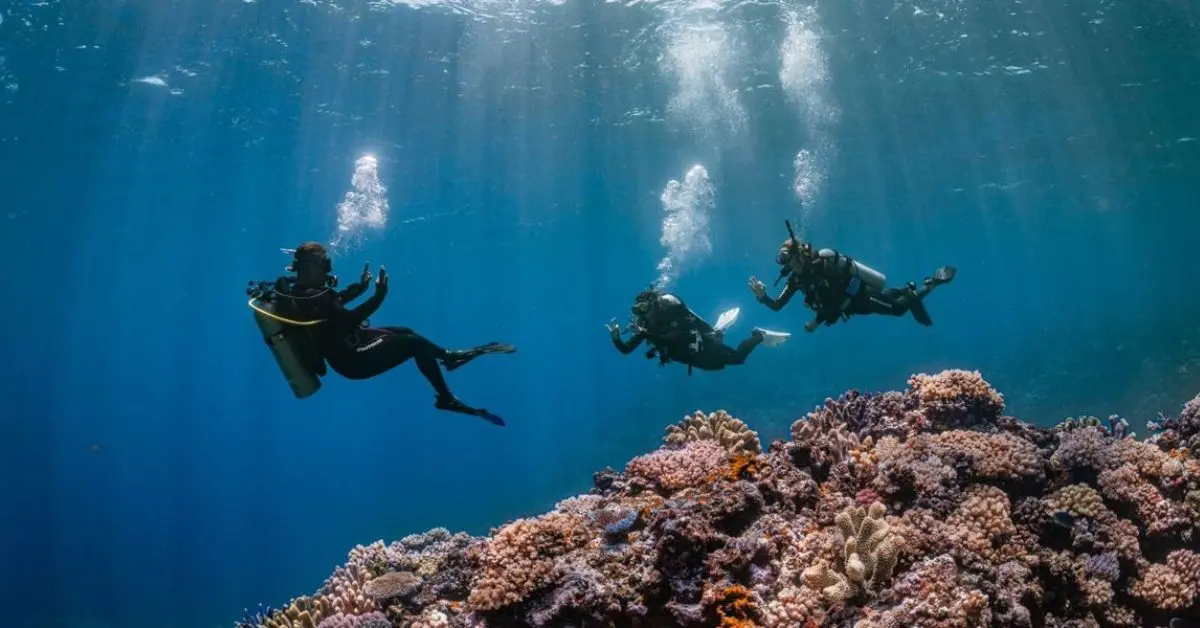
Scuba Diving and Snorkeling Destinations are among the most exciting travel experiences for anyone who loves nature, adventure, and marine life. Whether you’re floating above colorful coral reefs with a snorkel or exploring the deep ocean using scuba equipment, these activities offer a unique way to discover a world hidden beneath the waves. From tropical islands with crystal-clear waters to protected marine parks filled with vibrant fish, there are incredible locations suitable for both beginners and experienced divers.
Choosing the right scuba diving and snorkeling destination can make a huge difference in your overall experience. Water visibility, marine biodiversity, weather conditions, and safety standards all play important roles when planning your trip. This guide covers everything you need to know, including the best destinations, planning tips, essential equipment, common mistakes, and expert advice. By the end of this article, you’ll have the confidence to choose the perfect underwater adventure and create unforgettable memories.
What is Scuba Diving and Snorkeling Destinations?
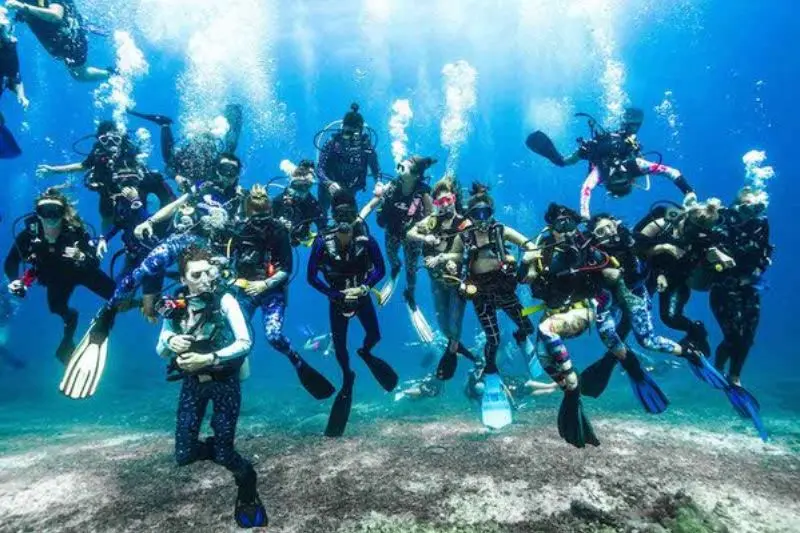
Scuba diving and snorkeling destinations are locations around the world known for their exceptional underwater environments. These places typically feature:
- Crystal-clear water
- Healthy coral reefs
- Diverse marine life
- Safe diving conditions
- Professional diving centers
- Suitable environments for beginners and experts
While snorkeling allows you to observe marine life from the water’s surface using a mask, snorkel, and fins, scuba diving enables you to breathe underwater with specialized equipment and explore greater depths.
Popular destinations often include coral reefs, underwater caves, shipwrecks, lagoons, and marine reserves.
Why is Scuba Diving and Snorkeling Destinations Important?
Exploring underwater ecosystems provides much more than entertainment.
They connect people with nature.
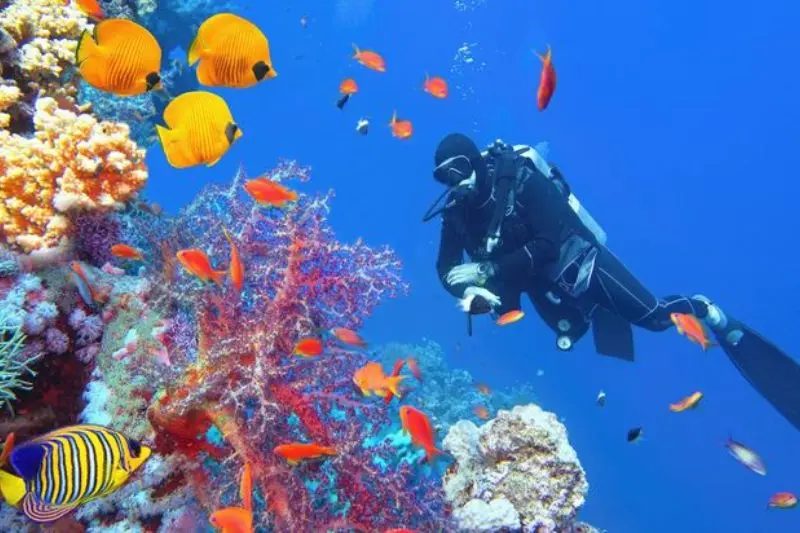
Seeing sea turtles, dolphins, colorful fish, and coral gardens firsthand creates a deeper appreciation for ocean conservation.
They support marine conservation.
Many protected diving locations fund reef restoration and wildlife protection through tourism.
They promote healthy lifestyles.
Swimming and diving improve cardiovascular fitness, flexibility, and overall physical health.
They boost local economies.
Coastal communities benefit from sustainable tourism through hotels, restaurants, guides, and diving operators.
They offer unforgettable experiences.
Every dive is unique because marine life constantly changes with seasons, tides, and migration patterns.
Detailed Step-by-Step Guide
Step 1: Decide Between Scuba Diving and Snorkeling
Choose snorkeling if you:
- Cannot swim deeply
- Prefer staying near the surface
- Want lower costs
- Are traveling with children
- Have limited time
Choose scuba diving if you:
- Want to explore reefs closely
- Enjoy underwater photography
- Wish to visit shipwrecks
- Love marine exploration
- Are ready for certification
Step 2: Select the Right Destination
Some destinations are perfect for beginners, while others suit experienced divers.
Great Barrier Reef, Australia
The world’s largest coral reef system offers incredible biodiversity, colorful coral formations, turtles, rays, and reef sharks.
Best for:
- Beginners
- Certified divers
- Snorkelers
- Families
Maldives
The Maldives is famous for turquoise lagoons, manta rays, whale sharks, and luxurious island resorts.
Highlights:
- Warm water
- Excellent visibility
- Gentle currents
- Stunning coral reefs
Raja Ampat, Indonesia
Known as one of the richest marine ecosystems on Earth, Raja Ampat is ideal for photographers and experienced divers.
Marine life includes:
- Hundreds of coral species
- Reef sharks
- Sea turtles
- Pygmy seahorses
- Giant manta rays
Red Sea, Egypt
The Red Sea offers affordable diving with excellent visibility throughout the year.
Popular attractions:
- Coral walls
- Shipwrecks
- Dolphins
- Colorful reef fish
Belize Barrier Reef
Home to the famous Great Blue Hole, Belize attracts divers looking for dramatic underwater landscapes.
Perfect for:
- Cave diving
- Reef diving
- Marine photography
Bora Bora, French Polynesia
This tropical paradise combines luxury travel with calm lagoons filled with tropical fish and rays.
Ideal for:
- Couples
- Beginners
- Vacation travelers
Hawaii, USA
Hawaii provides year-round diving opportunities with volcanic underwater landscapes.
Marine life includes:
- Green sea turtles
- Spinner dolphins
- Reef fish
- Manta rays
Philippines
With over 7,000 islands, the Philippines offers incredible variety for underwater adventures.
Top areas include:
- Apo Reef
- Moalboal
- Coron
- Tubbataha Reefs
Step 3: Choose the Best Season
Weather affects visibility, currents, and marine life.
Research:
- Rainy season
- Hurricane season
- Water temperature
- Peak tourist periods
Traveling during the ideal season often provides clearer water and better wildlife encounters.
Step 4: Get the Right Equipment
Essential snorkeling gear includes:
- Mask
- Snorkel
- Fins
- Rash guard
- Reef-safe sunscreen
Scuba diving equipment includes:
- Regulator
- Buoyancy control device
- Dive computer
- Wetsuit
- Tank
- Weights
Many destinations rent quality equipment if you don’t own your own.
Step 5: Learn Basic Safety Rules
Always:
- Listen to instructors.
- Never dive alone.
- Stay within your limits.
- Monitor air supply.
- Equalize pressure slowly.
- Respect marine life.
- Ascend gradually.
- Stay hydrated.
Safety should always come before adventure.
Step 6: Protect Marine Ecosystems
Responsible tourism helps preserve coral reefs.
Avoid:
- Touching coral
- Feeding fish
- Standing on reefs
- Collecting shells
- Chasing sea animals
Simple actions protect fragile underwater environments for future generations.
Step 7: Capture Memories Responsibly
Waterproof cameras can produce amazing underwater photos.
Tips:
- Keep a safe distance.
- Avoid using excessive flash.
- Never disturb wildlife for pictures.
- Focus on natural behavior.
Beautiful memories should never come at the expense of marine life.
Benefits of Scuba Diving and Snorkeling Destinations
- Discover breathtaking underwater ecosystems.
- Improve swimming confidence.
- Reduce stress through peaceful ocean experiences.
- Strengthen cardiovascular fitness.
- Create unforgettable travel memories.
- Learn about marine biodiversity.
- Meet travelers from around the world.
- Support eco-tourism initiatives.
- Develop underwater photography skills.
- Encourage environmental awareness.
Disadvantages / Risks
- Equipment can be expensive.
- Weather may cancel planned dives.
- Some destinations are crowded during peak seasons.
- Risk of ear pressure injuries without proper techniques.
- Strong currents can challenge beginners.
- Marine animals should always be respected.
- Certification requires time and practice.
- Travel costs can be high for remote islands.
Common Mistakes to Avoid
Many beginners make avoidable mistakes that reduce enjoyment or increase risk.
Choosing a destination beyond your skill level
Start with calm, beginner-friendly waters before attempting advanced dive sites.
Ignoring weather forecasts
Ocean conditions change quickly. Always check forecasts before heading out.
Touching marine life
Coral is extremely delicate, and many sea creatures protect themselves when disturbed.
Skipping safety briefings
Even experienced divers should attend local safety briefings because every dive site is different.
Wearing poorly fitting equipment
A leaking mask or uncomfortable fins can ruin your experience.
Forgetting sun protection
The tropical sun reflects off the water, increasing exposure.
Descending too quickly
Equalize pressure gradually to avoid ear discomfort or injury.
FAQs
1. Is scuba diving difficult for beginners?
No. With proper instruction and certification, beginners can safely enjoy scuba diving at beginner-friendly locations.
2. Can non-swimmers go snorkeling?
Some calm lagoons offer guided snorkeling with life jackets, but basic swimming skills greatly improve safety and enjoyment.
3. Which destination has the clearest water?
The Maldives, Bora Bora, and parts of the Red Sea are famous for exceptional underwater visibility.
4. What is the best age to start scuba diving?
Many certification organizations allow children to begin junior scuba programs around the age of 10, depending on local regulations and training standards.
5. Is scuba diving expensive?
Costs vary depending on destination, certification, equipment rental, and accommodation. Snorkeling is generally much more affordable.
6. How can I protect coral reefs while diving?
Avoid touching coral, use reef-safe sunscreen, maintain good buoyancy control, and never collect marine souvenirs.
Expert Tips & Bonus Points
Planning ahead helps you enjoy the best scuba diving and snorkeling destinations while staying safe and protecting the environment.
Expert recommendations:
- Book certified dive operators with excellent safety records.
- Practice swimming before your trip.
- Stay hydrated before and after diving.
- Keep a dive log to record each adventure.
- Invest in a high-quality mask that fits comfortably.
- Pack anti-fog solution for better visibility.
- Learn basic marine species before traveling.
- Carry a dry bag for electronics and valuables.
- Schedule rest days between multiple dives.
- Wait the recommended time before flying after scuba diving to reduce the risk of decompression sickness.
Bonus Points
- Sunrise dives often provide calmer water and active marine life.
- Night dives reveal fascinating nocturnal sea creatures.
- Underwater photography improves with patience rather than expensive equipment.
- Eco-friendly travel choices help preserve marine ecosystems for future generations.
- Visiting lesser-known diving spots can provide quieter and more authentic experiences.
Conclusion
Scuba Diving and Snorkeling Destinations offer an unforgettable combination of adventure, relaxation, and natural beauty. Whether you’re exploring shallow coral gardens with a snorkel or descending into deeper waters as a certified diver, every underwater journey reveals something extraordinary. From the colorful reefs of Australia and the Maldives to the rich marine biodiversity of Indonesia and the Philippines, there are incredible destinations suited to every experience level. Careful planning, proper equipment, and respect for marine life ensure that your adventure is both safe and rewarding.
As you prepare for your next trip, remember that the ocean is one of the planet’s most valuable ecosystems. Choosing responsible operators, following safety guidelines, and practicing sustainable tourism help protect these remarkable environments for future generations. With the right preparation and a sense of curiosity, scuba diving and snorkeling can become lifelong passions that combine travel, fitness, education, and unforgettable memories. Whether you’re taking your first snorkeling tour or planning an advanced diving expedition, the world’s underwater wonders are waiting to be explored.
