
Introduction
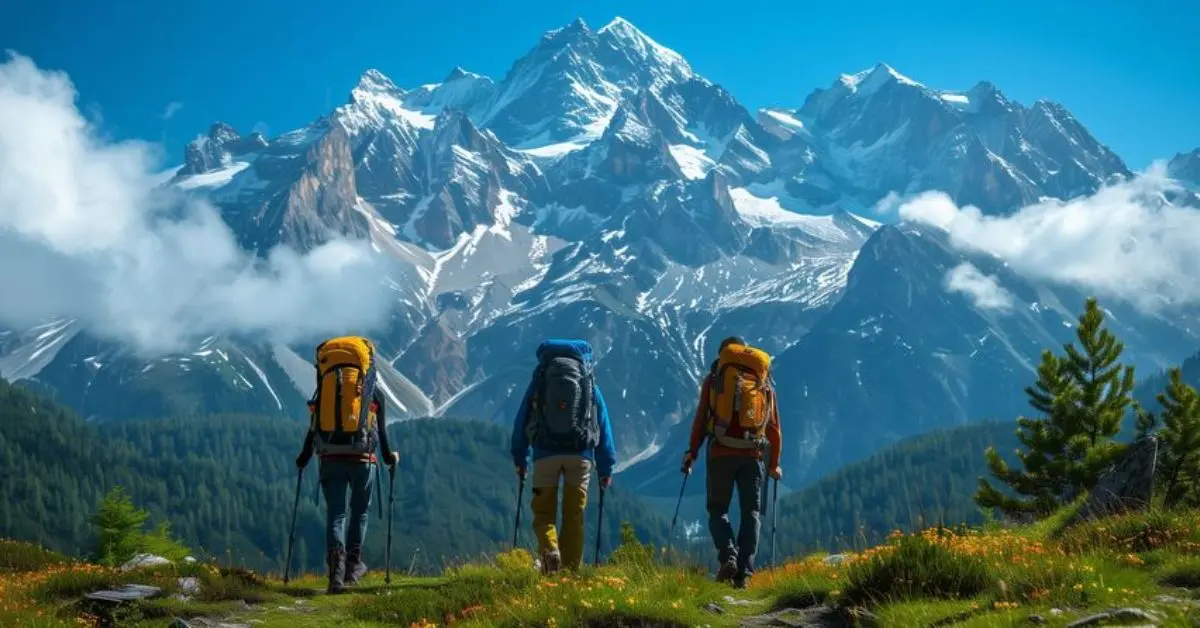
Mountain trekking is one of the most rewarding outdoor activities for people who love nature, adventure, and personal challenges. Whether you dream of walking through peaceful forests, climbing scenic mountain trails, or reaching breathtaking viewpoints, every trek offers a unique experience. A well-planned journey not only allows you to explore beautiful landscapes but also helps improve your physical fitness, mental strength, and confidence. This Mountain Trekking Guide for Beginners is designed to help first-time trekkers understand the basics and prepare for a safe and enjoyable adventure.
Starting your trekking journey may feel overwhelming at first, especially when choosing the right destination, equipment, and fitness routine. However, with proper planning and realistic expectations, anyone can enjoy mountain trekking regardless of previous experience. This guide covers everything from selecting beginner-friendly trails to packing essential gear, staying safe, and avoiding common mistakes. By the end of this article, you will have the knowledge needed to confidently plan your first mountain trekking adventure and create unforgettable memories.
What is Mountain Trekking Guide for Beginners?
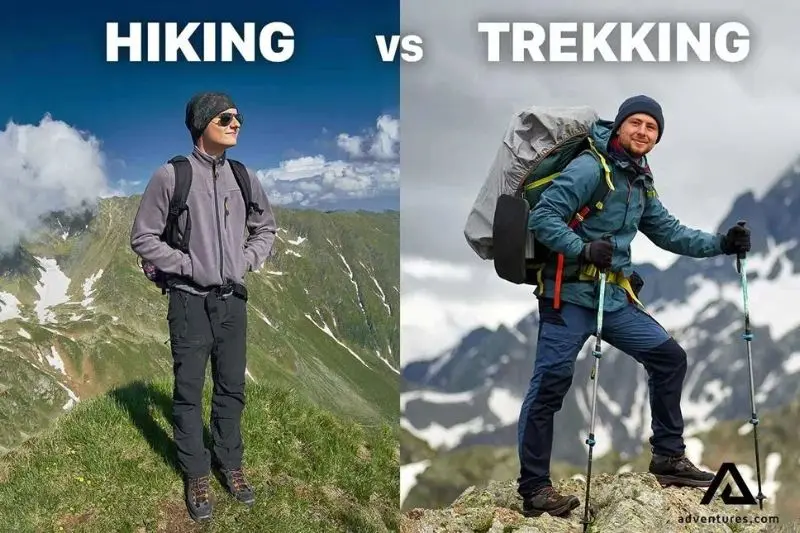
A Mountain Trekking Guide for Beginners is a complete resource that teaches new trekkers how to prepare for hiking and trekking in mountainous regions. It explains essential skills, safety practices, equipment, physical preparation, and route planning required for successful trekking.
Unlike casual walking, mountain trekking often involves:
- Long-distance hiking
- Uneven terrain
- Steep climbs and descents
- Changing weather conditions
- Carrying essential supplies
The purpose of a beginner’s guide is to help first-time trekkers enjoy the experience while reducing unnecessary risks.
Why is Mountain Trekking Important?
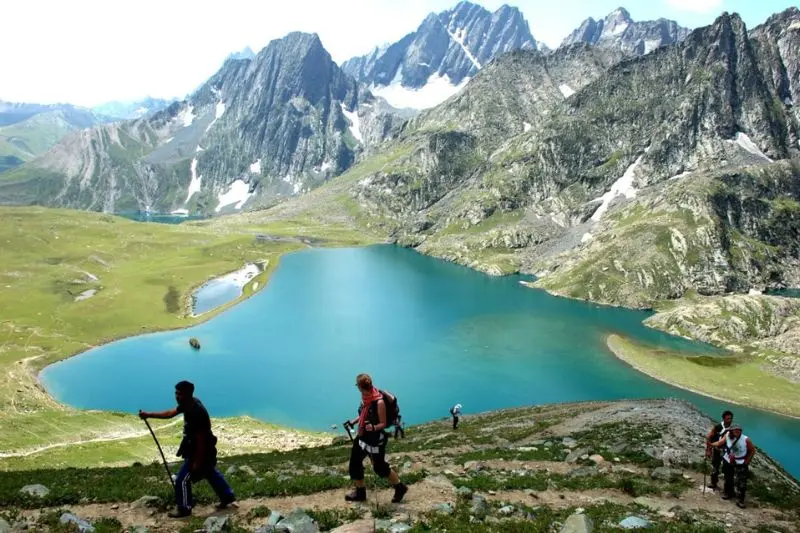
Mountain trekking is much more than reaching a destination. It offers numerous physical, emotional, and mental benefits while allowing people to reconnect with nature.
Some reasons why mountain trekking is important include:
- Improves cardiovascular fitness
- Builds muscular strength
- Increases endurance
- Reduces daily stress
- Enhances mental focus
- Encourages healthy outdoor activities
- Builds confidence through personal achievements
- Promotes environmental awareness
- Creates unforgettable travel experiences
Whether you trek once a year or every weekend, the experience contributes to a healthier and more active lifestyle.
Detailed Step-by-Step Guide
Step 1: Choose a Beginner-Friendly Trail
Your first trek should match your fitness level.
Look for trails that have:
- Easy to moderate difficulty
- Well-marked paths
- Short distance (5–10 km)
- Reliable weather
- Good mobile coverage
- Popular trekking routes
Avoid technical climbs or high-altitude expeditions for your first experience.
Example:
Instead of attempting a challenging mountain summit, choose a local national park with maintained trekking trails.
Step 2: Improve Your Physical Fitness
You don’t need to become an athlete before trekking, but basic fitness makes the journey much easier.
Focus on:
- Walking regularly
- Stair climbing
- Squats
- Lunges
- Core exercises
- Cycling
- Swimming
Aim for at least four weeks of preparation before your first trek.
Step 3: Buy the Right Trekking Shoes
Shoes are one of the most important investments.
Look for:
- Strong grip
- Waterproof material
- Comfortable fit
- Ankle support
- Breathable fabric
Never wear brand-new shoes on a long trek.
Break them in with shorter walks first.
Step 4: Pack Smart
Avoid carrying unnecessary weight.
Essential trekking gear includes:
- Backpack (20–35 liters)
- Water bottles
- Trekking shoes
- Comfortable clothing
- Rain jacket
- First aid kit
- Energy snacks
- Flashlight
- Power bank
- Sunscreen
- Sunglasses
- Hat
- Extra socks
- Personal medications
- Trekking poles (optional)
Pack only what you truly need.
Step 5: Dress in Layers
Mountain weather changes quickly.
A layering system includes:
Base Layer
Keeps sweat away from your body.
Middle Layer
Provides warmth.
Outer Layer
Protects against rain and wind.
Avoid heavy cotton clothing because it absorbs moisture and dries slowly.
Step 6: Stay Hydrated
Dehydration reduces energy and increases fatigue.
Drink water regularly even if you don’t feel thirsty.
Carry:
- Water bottles
- Hydration bladder
- Electrolyte tablets
Drink small amounts every 20–30 minutes.
Step 7: Eat Energy-Rich Food
Your body burns many calories while trekking.
Good snacks include:
- Nuts
- Dates
- Bananas
- Peanut butter sandwiches
- Protein bars
- Trail mix
- Dry fruits
Avoid overeating during the trek.
Small meals provide consistent energy.
Step 8: Learn Basic Navigation
Although many trails are marked, every beginner should understand basic navigation.
Carry:
- Offline maps
- Compass
- GPS app
- Printed trail map
Never depend entirely on mobile signals.
Step 9: Understand Weather Conditions
Always check weather forecasts before leaving.
Avoid trekking during:
- Heavy rainfall
- Thunderstorms
- Snowstorms
- Extreme heat
Mountain weather can change rapidly.
Always carry emergency rain protection.
Step 10: Trek at Your Own Pace
One of the biggest beginner mistakes is walking too fast.
Maintain a comfortable pace.
Take short breaks every hour.
Save enough energy for the return journey.
Remember:
Slow and steady is usually the safest approach.
Step 11: Follow Trail Etiquette
Respect fellow trekkers and nature.
Follow these rules:
- Stay on marked trails.
- Don’t litter.
- Respect wildlife.
- Avoid loud music.
- Yield to uphill hikers.
- Leave natural surroundings untouched.
Responsible trekking protects the environment for future visitors.
Step 12: Know Basic Emergency Skills
Every beginner should know how to respond to common situations.
Learn:
- Basic first aid
- Treating blisters
- Handling dehydration
- Identifying heat exhaustion
- Recognizing altitude sickness symptoms
Being prepared improves safety for everyone.
Benefits of Mountain Trekking Guide for Beginners
Following a proper Mountain Trekking Guide for Beginners offers many advantages:
- Improves overall physical fitness
- Builds mental resilience
- Boosts confidence
- Reduces stress levels
- Strengthens muscles and joints
- Encourages outdoor exploration
- Enhances problem-solving skills
- Promotes healthier habits
- Improves cardiovascular health
- Develops navigation skills
- Creates memorable travel experiences
- Encourages teamwork during group treks
Disadvantages / Risks
Although trekking is enjoyable, it also comes with certain risks.
- Slippery trails
- Unexpected weather changes
- Dehydration
- Muscle fatigue
- Blisters
- Falls and injuries
- Altitude sickness
- Wildlife encounters
- Poor navigation
- Heavy backpacks causing back pain
- Limited emergency services in remote areas
Proper preparation significantly reduces these risks.
Common Mistakes to Avoid
Many beginners repeat the same avoidable mistakes.
Wearing Uncomfortable Shoes
Improper footwear causes blisters and foot pain.
Carrying Too Much Weight
Heavy backpacks reduce stamina.
Pack only essentials.
Ignoring Weather Forecasts
Mountain weather changes rapidly.
Always prepare for unexpected rain or cold temperatures.
Skipping Fitness Preparation
Even easy trails require endurance.
Start exercising several weeks before your trek.
Not Drinking Enough Water
Dehydration affects performance and decision-making.
Drink consistently.
Starting Too Fast
Maintain a steady pace.
Conserve energy throughout the hike.
Trekking Alone Without Experience
Beginners should join friends or organized groups.
Experienced companions improve safety.
Leaving Trash Behind
Always carry your waste back.
Protect natural environments.
FAQs
1. Is mountain trekking suitable for beginners?
Yes. Many trails are designed specifically for beginners. Start with easy routes and gradually increase the difficulty as your fitness and confidence improve.
2. What should beginners wear while trekking?
Wear moisture-wicking clothing, sturdy trekking shoes, layered clothing, a lightweight rain jacket, a hat, and comfortable hiking socks.
3. How much water should I carry?
Most beginners should carry at least two liters of water, depending on the weather, trail length, and availability of refill points.
4. Do I need trekking poles?
Trekking poles are optional but very helpful on steep climbs and descents. They improve balance and reduce pressure on your knees.
5. How fit should I be before trekking?
You don’t need advanced athletic ability. Regular walking, stair climbing, and basic strength exercises for a few weeks are usually enough for beginner trails.
6. What is the best season for mountain trekking?
Spring and autumn are often the best seasons because temperatures are comfortable, trails are generally safer, and weather conditions are more predictable.
7. Can children join mountain trekking?
Yes, provided the trail is suitable for their age and fitness level. Adults should supervise children closely and choose shorter, well-maintained routes.
Expert Tips & Bonus Points
Experienced trekkers recommend these additional tips:
- Start with shorter one-day treks.
- Test all gear before your trip.
- Keep emergency contacts informed.
- Carry extra batteries or a power bank.
- Stretch before and after trekking.
- Learn basic survival skills.
- Keep your backpack organized.
- Protect electronics from rain.
- Begin trekking early in the morning.
- Never ignore signs of exhaustion.
- Respect local communities and wildlife.
- Keep a small emergency whistle in your backpack.
- Take photographs but remain aware of your surroundings.
- Build trekking experience gradually instead of rushing into difficult mountain expeditions.
Following these practical habits can make every trekking adventure safer, more enjoyable, and more rewarding.
Conclusion
Mountain trekking is an exciting activity that combines adventure, fitness, and a deep appreciation for nature. While the idea of climbing mountains may seem challenging at first, proper preparation makes the experience enjoyable and achievable for almost anyone. By following this Mountain Trekking Guide for Beginners, choosing suitable trails, wearing the right equipment, staying physically prepared, and respecting safety guidelines, you can confidently take your first steps into the world of trekking. Every journey teaches valuable lessons about patience, resilience, and the beauty of the outdoors.
As your experience grows, you will become more comfortable exploring longer trails and more demanding landscapes. Remember that successful trekking is not about reaching the highest peak as quickly as possible but about enjoying the journey, staying safe, and appreciating every moment along the way. Continue learning from each adventure, improve your skills gradually, and always prioritize responsible trekking practices. With careful planning and a positive mindset, mountain trekking can become a lifelong passion that offers unforgettable experiences, improved health, and countless opportunities to discover the natural world.
