
Introduction
Stepping onto a plane bound for a foreign country is one of the most exhilarating experiences life has to offer. The anticipation of experiencing new cultures, tasting exotic foods, and seeing historic landmarks can keep you awake for days before your departure. However, international travel can also feel incredibly overwhelming, especially if you are a beginner or intermediate traveler trying to navigate the complexities of global logistics.
Without proper preparation, a dream vacation can quickly transform into a stressful ordeal. From unexpected passport issues to sudden financial hiccups, the challenges of crossing borders require careful planning and a reliable strategy. That is exactly why having a comprehensive roadmap is so important for modern globetrotters.
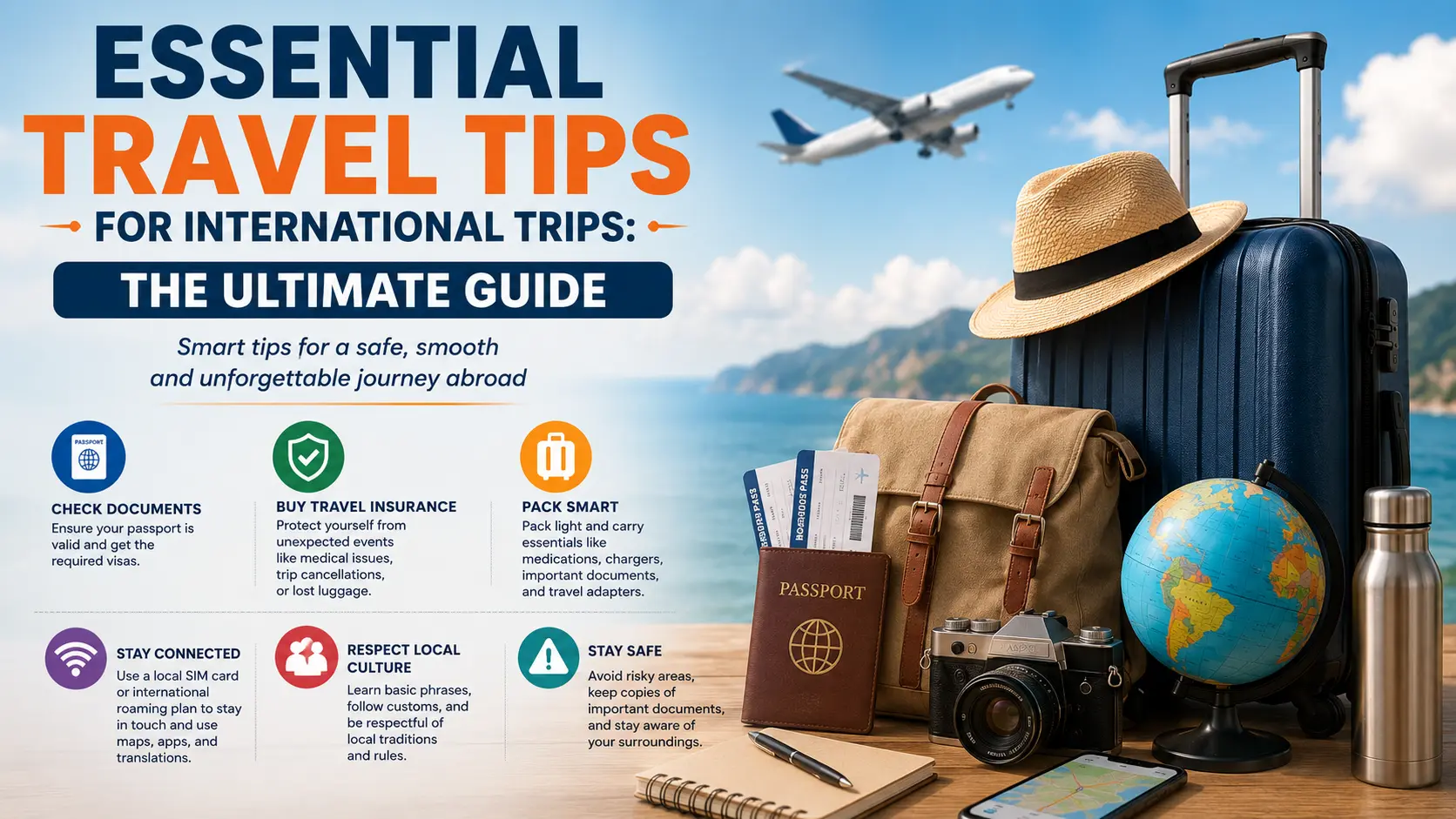
In this ultimate guide, we will share the absolute best essential travel tips for international trips to ensure your next journey is seamless, safe, and unforgettable. Whether you are planning your very first overseas vacation or looking to sharpen your existing travel skills, these insights will help you navigate the globe like a seasoned professional. Let us dive into everything you need to know before you print your boarding pass.
What are International Travel Tips?
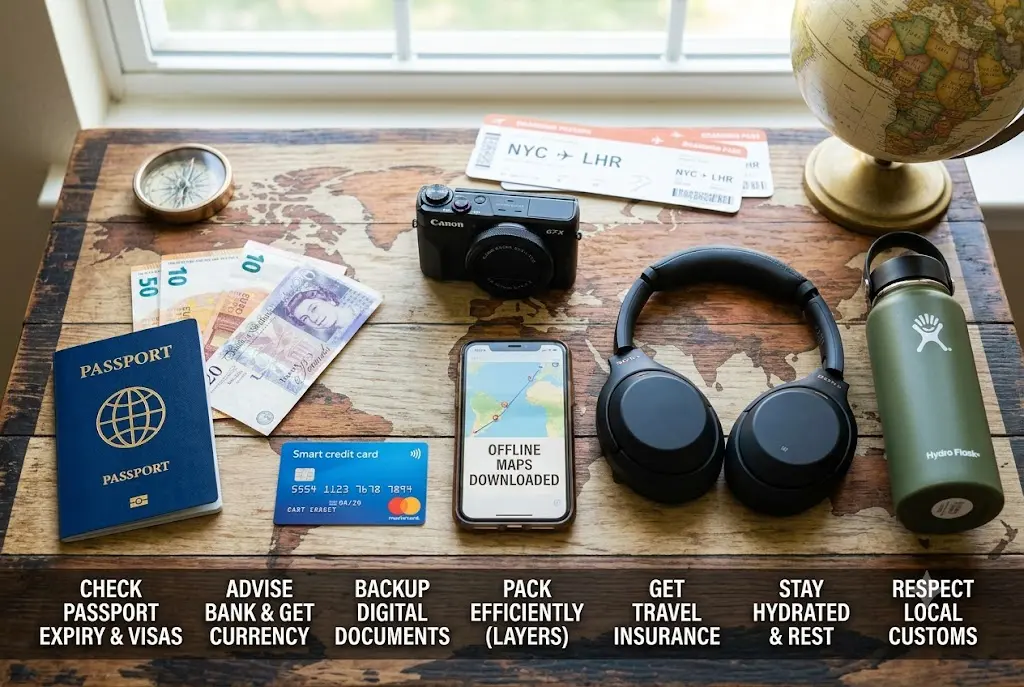
International travel tips are actionable strategies, expert recommendations, and practical insights designed to help travelers plan, execute, and enjoy trips outside their home country. These tips cover a wide array of categories, including legal documentation, financial security, health precautions, cultural etiquette, packing efficiencies, and technological tools.
Unlike domestic travel advice, international tips focus heavily on navigating different legal systems, language barriers, and foreign currencies. They serve as a protective shield against common travel disruptions and help you transition smoothly from one culture to another. Essentially, they represent the collective wisdom of experienced frequent flyers passed down to help others avoid unnecessary hardships abroad.
Why are Essential Travel Tips for International Trips Important?
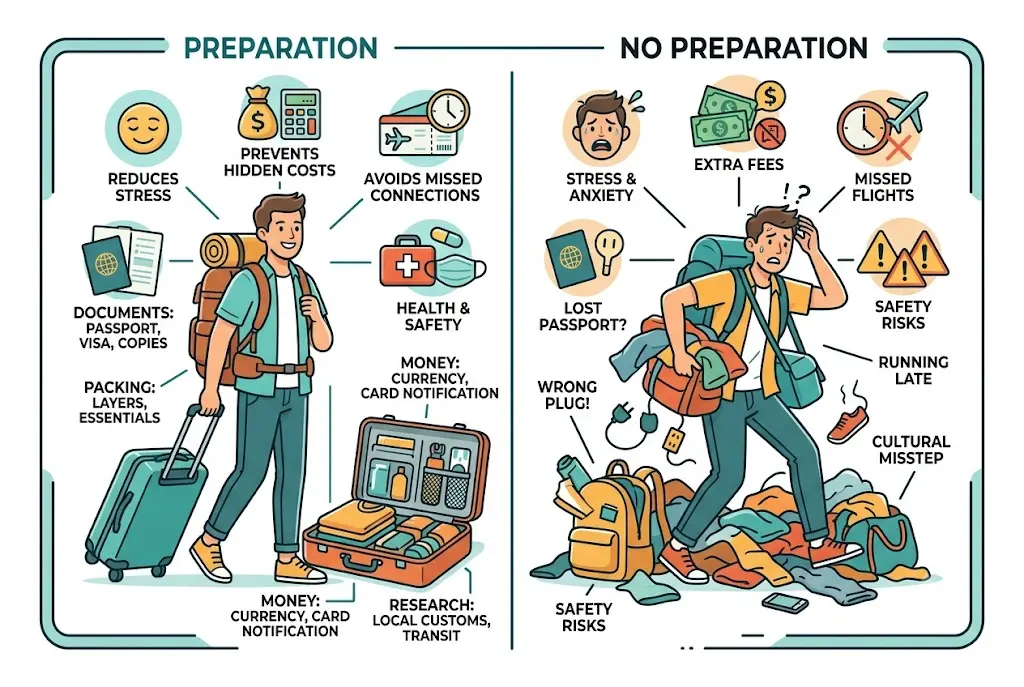
Understanding and implementing essential travel tips for international trips is critical because the stakes are significantly higher when you are thousands of miles away from home. When you travel domestically, a forgotten item or a minor emergency is usually easy to fix. Abroad, a simple oversight can lead to expensive delays, legal trouble, or even being denied entry into a country.
First and foremost, these tips protect your safety and financial well-being. Knowing how to safeguard your money, avoid local scams, and access emergency healthcare can quite literally save your life or your life savings. Furthermore, being well-prepared reduces travel anxiety, allowing you to actually relax and immerse yourself in the beauty of your destination.
Additionally, following expert advice ensures that you respect the local customs and laws of your host country. Cultural missteps can range from minor social awkwardness to severe legal penalties. By educating yourself beforehand, you ensure that you remain a responsible, welcome guest wherever you choose to explore.
Detailed Step-by-Step Guide to Planning an International Trip
Planning a successful overseas journey requires breaking down the process into manageable, logical steps. By following this structured approach, you can eliminate last-minute panic and ensure that nothing important slips through the cracks.
Step 1: Secure Your Travel Documents Early
Your passport is your ultimate golden ticket to the world, and managing it properly is non-negotiable. Many countries strictly enforce a rule requiring your passport to be valid for at least six months beyond your planned departure date. If your passport expires soon, renew it at least several months in advance to avoid peak-season processing delays.
Research the visa requirements for your destination immediately. Some nations offer visa-free entry, others require an electronic travel authorization (eTA) or a visa-on-arrival, while some demand a lengthy application process through an embassy. Always make digital and physical copies of your passport, visa, driver’s license, and vaccination records, keeping them stored separately from the original documents.
Step 2: Create a Realistic Travel Budget
International vacations come with a mix of predictable and hidden costs that can quickly drain your bank account if left unmonitored. Start by estimating major expenses such as flights, accommodation, and intercity transportation. Once the baseline is established, allocate daily allowances for food, activities, souvenirs, and local transit.
Always add a 15% emergency buffer to your total budget for unexpected occurrences like missed trains, medical prescriptions, or sudden price surges. Tracking your expenses through a dedicated mobile app during the trip can prevent you from overspending early in your vacation.
Step 3: Manage Your Finances and Currencies
Informs your banks and credit card companies about your specific travel dates and destinations. If you fail to do this, their automated fraud detection systems might freeze your cards the moment you attempt a transaction abroad, leaving you stranded without funds.
Carry a mix of payment methods, including a primary credit card, a backup debit card, and a small amount of local physical currency. Avoid airport currency exchange kiosks, as they historically offer the worst exchange rates. Instead, use local bank ATMs upon arrival to withdraw cash, and always choose to be charged in the local currency rather than your home currency to avoid dynamic currency conversion fees.
Step 4: Prioritize Health and Travel Insurance
Your health should always be your top priority when exploring unfamiliar territories. Visit a travel clinic a few months before departure to check if your destination requires specific vaccinations or preventative medications, such as malaria pills.
Purchasing a comprehensive travel insurance policy is absolutely vital. Standard domestic health insurance rarely covers international medical emergencies or medical evacuation costs. Look for a policy that covers not only medical crises but also trip cancellations, significant travel delays, and lost or stolen baggage.
Step 5: Research Your Destination Thoroughly
Immersing yourself in the local culture before you arrive makes for a much richer travel experience. Take the time to learn about local customs, dress codes, religious traditions, and basic social etiquette. Learning just a few key phrases in the local language, such as “hello,” “please,” “thank you,” and “help,” goes a long way in building goodwill with locals.
Study the local transportation system so you know exactly how to get from the airport to your lodging. Download offline maps and research safe neighborhoods, well-regarded restaurants, and common local tourist traps to maintain your peace of mind.
Step 6: Master the Art of Smart Packing
Overpacking is one of the most common mistakes travelers make. Focus on packing versatile clothing items that can be layered and easily mixed and matched. Choose comfortable, broken-in walking shoes over fashionable but painful footwear, as international trips often involve extensive walking.
Invest in a high-quality universal travel adapter that supports multiple plug types and features built-in USB ports. Keep all your essential valuables, medications, a change of clothes, and electronics in your carry-on bag just in case your checked luggage is delayed or lost by the airline.
Benefits of Following Essential Travel Tips for International Trips
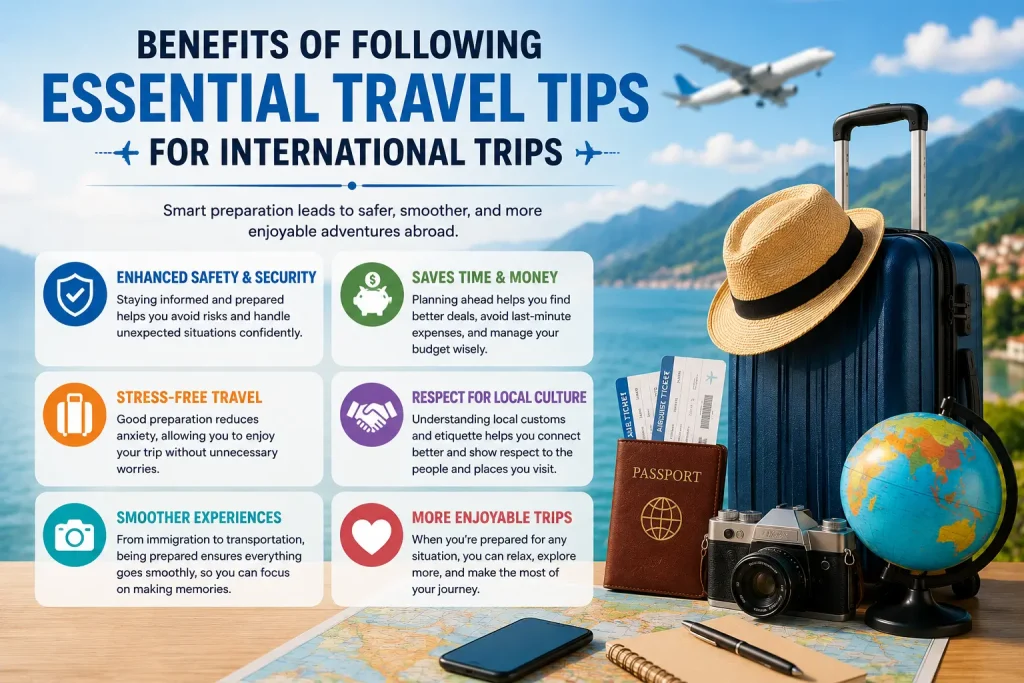
Adhering to proven travel strategies provides numerous advantages that can elevate your entire vacation experience. Here are the primary benefits of being a well-prepared traveler:
- Significant Cost Savings: Knowing how to book flights early, avoid bank fees, and bypass tourist traps keeps more money in your pocket.
- Reduced Stress and Anxiety: When you have a clear plan and backup copies of your documents, unexpected changes will not cause panic.
- Enhanced Personal Safety: Awareness of local scams and emergency procedures keeps you out of dangerous situations.
- Smoother Transitions: Pre-arranging your transport and understanding local customs prevents logistical headaches at the border.
- Enriched Cultural Experiences: Showing respect for local traditions opens doors to authentic interactions with residents.
- Time Efficiency: Maximizing your schedule with pre-booked tickets means less time waiting in lines and more time exploring.
Disadvantages and Risks of Poor Travel Preparation
Failing to utilize essential travel tips for international trips can lead to severe consequences that can completely ruin your holiday. Consider the following risks of traveling unprepared:
- Financial Loss: Unnotified bank cards getting blocked or falling victim to pickpockets can leave you completely penniless in a foreign land.
- Denied Boarding or Entry: Expired passports or missing visas can result in border officials turning you away immediately at your own expense.
- Medical Emergencies Without Coverage: Facing a sudden illness abroad without travel insurance can result in tens of thousands of dollars in medical debt.
- Legal Discrepancies: Breaking local laws that you were unaware of can result in steep fines, deportation, or incarceration.
- Vulnerability to Scams: Tourist-heavy destinations often feature predatory scammers targeting visibly confused or naive travelers.
- Severe Logistical Stress: Becoming lost in an unfamiliar city without offline maps or communication tools can be terrifying and hazardous.
Common Mistakes to Avoid on International Trips
Even experienced travelers can fall into bad habits if they become complacent. To ensure your trip goes off without a hitch, pay close attention to these frequent pitfalls:
Keeping All Your Assets in One Place
Never put all your cash, credit cards, and identification documents into a single wallet or bag. If that item is lost or stolen, you lose absolutely everything. Split your financial assets between your wallet, your daypack, and your hotel room safe.
Having an Overly Packed, Rigid Itinerary
While it is tempting to try and see every single museum, monument, and city during your limited time abroad, over-scheduling leads straight to extreme burnout. Leave open gaps in your schedule for spontaneous exploration, leisurely meals, and vital physical rest.
Ignoring Local Laws and Cultural Customs
What is perfectly legal and acceptable in your home country might be highly illegal or deeply offensive elsewhere. For example, chewing gum is banned in Singapore, and entering religious sites with uncovered shoulders is forbidden in many parts of the world. Always research local norms before arriving.
Relying Completely on Constant Cellular Data
Do not assume you will always have access to a fast internet connection. Cell service can drop unexpectedly, or international data roaming charges can skyrocket. Always download your offline Google Maps, transit routes, and translation dictionaries before leaving your accommodation.
How far in advance should I start planning an international trip?
Ideally, you should begin the planning process four to six months before your intended departure date. This timeframe gives you ample room to renew your passport if necessary, apply for required travel visas, secure competitive rates on flights and lodging, and receive any essential travel vaccinations.
Is it better to use cash or credit cards when traveling abroad?
A balanced combination of both options is the safest approach. Credit cards are ideal for major expenses like hotel bills, car rentals, and dining at established restaurants because they offer fraud protection and competitive exchange rates. However, cash remains essential for tipping, open-air markets, small street vendors, and public transportation in many parts of the world.
How do I keep my digital data secure while using public Wi-Fi abroad?
Public Wi-Fi networks in airports, hotels, and cafes are notoriously insecure and highly vulnerable to cybercriminals. To protect your personal information, passwords, and banking details, always use a reputable Virtual Private Network (VPN) whenever you connect to a public network. Additionally, disable automatic Wi-Fi connections on your devices.
What should I do if I lose my passport while in another country?
If your passport disappears, immediately file a comprehensive report with the local police to obtain an official theft or loss report. Next, locate the nearest embassy or consulate of your home country. You will need to present them with your police report, passport photos, and digital copies of your identification to secure an emergency travel document.
How can I minimize the exhausting effects of jet lag?
To combat jet lag effectively, begin gradually shifting your sleep schedule toward your destination’s time zone a few days before you depart. Stay well-hydrated throughout your flight by drinking plenty of water and avoiding alcohol or heavy caffeine. Once you land, force yourself to stay awake until a normal local bedtime and spend time in natural sunlight to reset your internal clock.
Do I really need to buy travel insurance if I am healthy?
Yes, purchasing travel insurance is absolutely non-negotiable for international travel. A sudden medical crisis, an unexpected injury from an activity, a natural disaster, or a family emergency back home can happen to anyone at any time. Travel insurance protects you from devastating financial liability and ensures you receive proper care.
Expert Tips & Bonus Points for Savvy Travelers
To elevate your travel experience even further, incorporate these insider secrets used by professional frequent flyers:
The Power of Packing Cubes
If you have not discovered packing cubes yet, they will completely revolutionize how you travel. These lightweight fabric containers keep your suitcase impeccably organized, compress your clothing to save immense space, and allow you to find items instantly without tearing apart your entire bag.
Leverage the Power of AirTags
Place a Bluetooth tracker, such as an Apple AirTag or a Tile device, inside each piece of your checked luggage. If the airline misplaces your bag, you can track its exact real-time location independently using your smartphone, which dramatically speeds up the recovery process with airline staff.
Take a Photo of Your Luggage
Before handing your bags over to the airline at check-in, snap a quick clear photo of the exterior of your luggage and the physical baggage claim tags. If your bags go missing, showing a photo to the luggage service agent is vastly more effective than attempting to describe a generic black suitcase.
Register with Your Government’s Travel Program
Many nations offer free registration programs for citizens traveling abroad, such as the Smart Traveler Enrollment Program (STEP) for United States citizens. By registering your trip itinerary, your local embassy can easily contact you and provide critical assistance during unexpected natural disasters, civil unrest, or family emergencies.
Conclusion
Embarking on an overseas journey is a beautiful opportunity to broaden your horizons, challenge your perspectives, and create memories that will last a lifetime. While the logistics of international travel can sometimes seem daunting, being armed with the right knowledge makes all the difference in the world. By implementing these essential travel tips for international trips, you can confidently navigate any challenges that cross your path.
Success ultimately boils down to balancing meticulous preparation with personal flexibility. Prepare your paperwork, secure your finances, pack your bags efficiently, and research your destination ahead of time. Once you arrive, allow yourself to let go of rigid expectations and embrace the beautiful spontaneity of experiencing a completely new culture.
The world is filled with incredible wonders just waiting to be discovered. With a smart strategy and an adventurous spirit, you are now fully equipped to step out of your comfort zone and explore the planet safely. Have an incredible, safe, and life-changing journey on your next international adventure.
