

Introduction
Europe has long been one of the world’s most fascinating travel destinations, offering an incredible blend of history, culture, architecture, natural beauty, and unforgettable experiences. Whether you dream of walking through ancient streets, exploring breathtaking mountain landscapes, relaxing on Mediterranean beaches, or tasting authentic local cuisine, the Best Places to Visit in Europe provide something for every type of traveler. From iconic landmarks to charming hidden villages, Europe combines centuries of heritage with modern attractions, making every journey memorable. Beginners can easily navigate many European countries thanks to excellent transportation, while experienced travelers continue discovering new destinations year after year.
Planning a European vacation can feel overwhelming because there are so many amazing places to choose from. Every country has its own traditions, languages, cuisines, and attractions that deserve attention. The key is selecting destinations that match your interests, travel style, and budget. This guide explores the Best Places to Visit in Europe, explains why these destinations are worth your time, and offers practical planning advice for beginners and intermediate travelers. Whether you want a romantic getaway, a family holiday, an adventure-filled vacation, or a cultural escape, this comprehensive guide will help you build an unforgettable European itinerary.
What is Best Places to Visit in Europe?
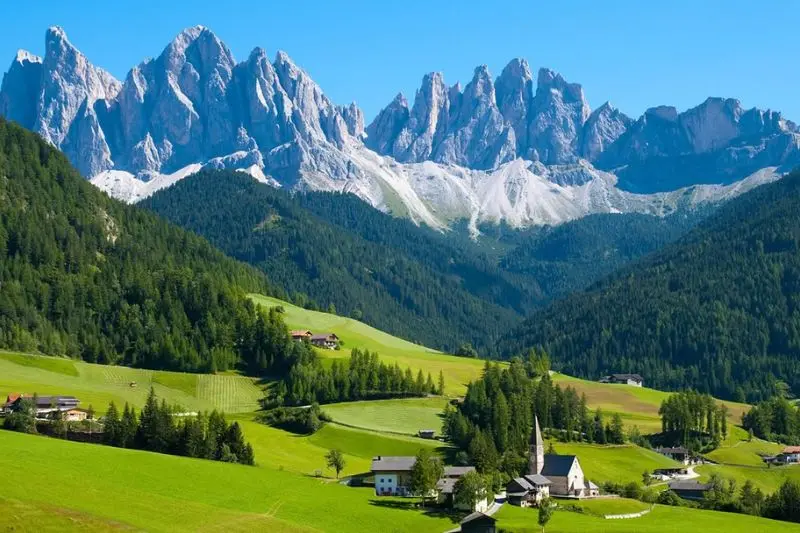
The phrase Best Places to Visit in Europe refers to the continent’s most recommended travel destinations based on historical significance, natural beauty, cultural experiences, entertainment, accessibility, and visitor satisfaction.
These destinations include:
- Historic cities
- Scenic mountain regions
- Coastal towns
- Famous museums
- UNESCO World Heritage Sites
- Islands and countryside escapes
- Modern metropolitan capitals
Europe offers remarkable diversity. Within a few hours of travel, visitors can experience snowy mountain peaks, crystal-clear beaches, medieval castles, bustling city centers, peaceful villages, and world-famous art collections.
Some destinations are internationally recognized, while others remain hidden gems waiting to be discovered.
Why is Best Places to Visit in Europe Important?

Choosing the Best Places to Visit in Europe helps travelers maximize both their time and budget.
Here are several reasons why careful destination selection matters:
- Saves money by avoiding unnecessary travel
- Helps create efficient travel itineraries
- Offers richer cultural experiences
- Reduces travel stress
- Ensures visitors don’t miss iconic attractions
- Balances sightseeing with relaxation
- Creates unforgettable memories
Europe’s excellent transportation network makes visiting multiple countries relatively simple. However, proper planning ensures every destination contributes meaningfully to the overall travel experience.
Detailed Step-by-Step Guide
Step 1: Decide Your Travel Style
Before selecting destinations, determine your priorities.
Ask yourself:
- Do you enjoy history?
- Are you looking for beaches?
- Do you prefer nature?
- Is food your main interest?
- Do you enjoy nightlife?
- Are museums important to you?
Understanding your interests makes planning much easier.
Step 2: Visit Paris, France
Paris remains one of the Best Places to Visit in Europe because of its timeless charm.
Highlights include:
- Eiffel Tower
- Louvre Museum
- Notre-Dame Cathedral
- Seine River cruises
- Montmartre district
- French cafés
Paris blends romance, history, fashion, and world-class cuisine into one unforgettable destination.
Step 3: Explore Rome, Italy
Rome offers thousands of years of history alongside vibrant modern life.
Must-see attractions include:
- Colosseum
- Roman Forum
- Trevi Fountain
- Vatican City
- Pantheon
- Spanish Steps
Food lovers can also enjoy authentic pasta, pizza, and gelato throughout the city.
Step 4: Discover Barcelona, Spain
Barcelona combines architecture, beaches, culture, and nightlife.
Popular attractions include:
- Sagrada Família
- Park Güell
- Gothic Quarter
- La Rambla
- Barceloneta Beach
The city’s colorful atmosphere attracts millions of visitors annually.
Step 5: Experience Amsterdam, Netherlands
Amsterdam offers beautiful canals, historic neighborhoods, and outstanding museums.
Top experiences include:
- Canal cruises
- Anne Frank House
- Van Gogh Museum
- Rijksmuseum
- Bicycle tours
Its relaxed atmosphere makes it ideal for first-time European travelers.
Step 6: Visit Swiss Alps, Switzerland
Nature lovers should never miss Switzerland.
Top destinations include:
- Interlaken
- Zermatt
- Lucerne
- Jungfraujoch
- Lake Geneva
Visitors enjoy hiking, skiing, mountain railways, and breathtaking alpine scenery throughout the year.
Step 7: Explore Prague, Czech Republic
Prague feels like stepping into a fairy tale.
Highlights include:
- Prague Castle
- Charles Bridge
- Old Town Square
- Astronomical Clock
- Local cafés
The city offers exceptional architecture at relatively affordable prices.
Step 8: Visit Santorini, Greece
Santorini is famous for:
- Whitewashed buildings
- Blue-domed churches
- Spectacular sunsets
- Volcanic beaches
- Luxury resorts
It remains one of Europe’s top honeymoon and summer destinations.
Step 9: Explore Vienna, Austria
Vienna combines classical music, imperial history, and elegant architecture.
Don’t miss:
- Schönbrunn Palace
- St. Stephen’s Cathedral
- Vienna State Opera
- MuseumsQuartier
- Traditional coffee houses
The city offers both sophistication and relaxation.
Step 10: Discover Croatia’s Adriatic Coast
Croatia has become increasingly popular thanks to its stunning coastline.
Top locations include:
- Dubrovnik
- Split
- Hvar Island
- Plitvice Lakes National Park
Crystal-clear waters and medieval towns create unforgettable experiences.
Step 11: Experience Iceland’s Natural Wonders
For adventure seekers, Iceland ranks among the Best Places to Visit in Europe.
Top attractions include:
- Blue Lagoon
- Golden Circle
- Northern Lights
- Waterfalls
- Volcanoes
- Glaciers
Nature dominates nearly every part of the country.
Step 12: Plan Transportation Carefully
Europe offers excellent transportation options.
Choose from:
- High-speed trains
- Budget airlines
- Rental cars
- Public transportation
- Ferries
Booking early usually saves money.
Step 13: Travel During the Best Season
Every season offers unique experiences.
Spring
- Pleasant temperatures
- Blooming gardens
- Fewer tourists
Summer
- Festivals
- Beaches
- Longer daylight hours
Autumn
- Beautiful colors
- Smaller crowds
- Lower accommodation prices
Winter
- Christmas markets
- Ski resorts
- Snow-covered cities
Step 14: Set a Realistic Budget
Travel costs vary greatly.
Budget for:
- Flights
- Hotels
- Meals
- Attractions
- Transportation
- Shopping
- Travel insurance
Planning ahead prevents unnecessary financial stress.
Step 15: Respect Local Culture
Responsible tourism improves everyone’s experience.
Remember to:
- Learn basic local phrases
- Respect traditions
- Follow local laws
- Dress appropriately when visiting religious sites
- Support local businesses
- Protect historical landmarks
Respectful travelers are warmly welcomed throughout Europe.
Benefits of Best Places to Visit in Europe
Visiting Europe’s top destinations provides numerous advantages:
- Rich historical experiences
- Incredible architectural landmarks
- Diverse cultures
- World-famous museums
- Excellent transportation systems
- Safe tourist infrastructure
- Beautiful natural scenery
- Outstanding cuisine
- Memorable photography opportunities
- Educational travel experiences
- Family-friendly attractions
- Adventure activities throughout the year
Disadvantages / Risks
Although Europe is an excellent destination, travelers should consider a few challenges:
- Popular attractions become crowded during peak season.
- Accommodation prices can be expensive.
- Currency exchange rates may affect budgets.
- Weather varies significantly between regions.
- Pickpocketing exists in some tourist areas.
- Language barriers occasionally arise.
- Last-minute bookings often cost more.
- Public holidays may affect attraction schedules.
Fortunately, proper planning minimizes most of these risks.
Common Mistakes to Avoid
Many travelers make avoidable mistakes during their European vacation.
Avoid these common errors:
- Trying to visit too many countries in one trip.
- Ignoring transportation schedules.
- Underestimating walking distances.
- Booking accommodations too late.
- Not purchasing travel insurance.
- Carrying excessive luggage.
- Overlooking local customs.
- Forgetting to reserve popular attractions.
- Spending every day sightseeing without breaks.
- Failing to research local weather before packing.
Learning from these mistakes makes travel smoother and more enjoyable.
FAQs
What is the best country to visit in Europe for beginners?
France, Italy, Spain, and the Netherlands are excellent choices because they offer outstanding tourist facilities, major attractions, and convenient transportation.
How many days should I spend in Europe?
A two-week trip allows visitors to explore several countries comfortably. However, even one week can provide an enjoyable experience when focusing on one or two destinations.
What is the cheapest time to visit Europe?
Late autumn and winter, excluding the holiday season, generally offer lower hotel prices, cheaper flights, and fewer crowds.
Is Europe safe for tourists?
Most European destinations are considered safe. Travelers should still remain aware of their surroundings, protect valuables, and follow local advice in busy tourist areas.
Which European destination is best for nature lovers?
Switzerland, Iceland, Norway, Austria, and Croatia offer spectacular mountains, lakes, waterfalls, hiking trails, and national parks.
Do I need to know multiple languages when traveling in Europe?
No. English is widely spoken in many tourist destinations. Learning a few basic local greetings is appreciated and enhances cultural interactions.
Expert Tips & Bonus Points
Travel experts recommend focusing on quality rather than quantity. Spending three or four days in each city allows you to appreciate local culture instead of rushing between destinations.
Book flights and hotels several months in advance whenever possible to secure better prices. Flexible travel dates often result in significant savings.
Purchase skip-the-line tickets for famous attractions to avoid spending hours waiting.
Travel light with one suitcase or backpack to move comfortably through train stations and city streets.
Try local food instead of international fast-food chains. Regional cuisine often becomes one of the most memorable parts of the journey.
Wake up early to visit famous landmarks before large crowds arrive.
Include one relaxing day after every few days of sightseeing to avoid travel fatigue.
Use public transportation whenever possible. European metro systems, buses, and trains are generally reliable, affordable, and environmentally friendly.
Take time to explore neighborhoods beyond the main tourist attractions. Hidden cafés, local markets, and quiet streets often provide the most authentic travel experiences.
Finally, keep an open mind. Unexpected discoveries frequently become the highlights of a European adventure.
Conclusion
The Best Places to Visit in Europe offer an extraordinary combination of history, culture, natural beauty, entertainment, and unforgettable experiences. From the romantic streets of Paris and the ancient landmarks of Rome to the stunning landscapes of Switzerland, the colorful architecture of Barcelona, and the breathtaking islands of Greece, Europe truly has something for every traveler. Whether your goal is relaxation, adventure, photography, family vacations, or cultural exploration, careful planning helps you make the most of every destination. By selecting places that match your interests, budgeting wisely, and respecting local traditions, your European journey becomes both enjoyable and rewarding.
Every trip to Europe is an opportunity to create lifelong memories while discovering diverse cultures, remarkable architecture, delicious cuisine, and spectacular scenery. Instead of trying to see everything at once, focus on enjoying each destination at a comfortable pace. Explore beyond famous landmarks, connect with local communities, and remain flexible enough to embrace unexpected adventures. With thoughtful preparation and an adventurous spirit, the Best Places to Visit in Europe can provide an unforgettable travel experience that inspires future journeys and leaves you with stories to cherish for years to come.
