
Introduction
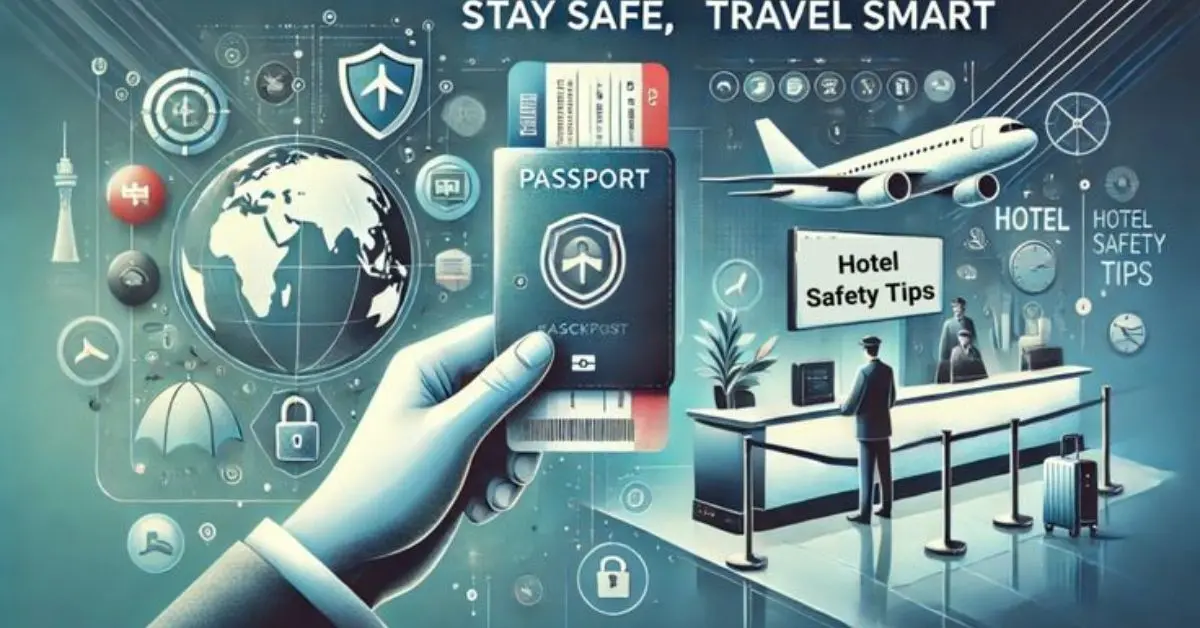
Traveling is one of the most rewarding experiences in life. It allows you to discover new cultures, taste different cuisines, meet interesting people, and create unforgettable memories. Whether you’re planning a weekend getaway, a family vacation, or an international adventure, preparing for your journey is just as important as choosing the destination itself. Following the right travel safety tips for every destination can help you avoid unnecessary risks and enjoy a smooth travel experience.
Many travelers focus on booking flights, finding hotels, and planning sightseeing activities but often overlook safety preparations. Every destination comes with its own unique challenges, from local laws and transportation systems to weather conditions and health concerns. By learning practical travel safety tips for every destination, you can confidently handle unexpected situations, protect your belongings, and reduce travel-related stress. This guide covers everything beginners and experienced travelers need to know before, during, and after their journey.
What is Travel Safety Tips for Every Destination?
Travel safety tips for every destination refer to a collection of practical guidelines that help travelers stay safe regardless of where they are visiting. These tips include planning ahead, understanding local customs, protecting personal belongings, staying healthy, using secure transportation, and preparing for emergencies.
Travel safety is not about avoiding adventure. Instead, it focuses on reducing unnecessary risks while allowing travelers to enjoy their experiences with confidence. Whether you’re traveling alone, with friends, or with family, following proven safety practices makes every trip more enjoyable.
Travel safety includes:
- Personal safety
- Health precautions
- Financial security
- Digital security
- Transportation safety
- Emergency preparedness
These areas work together to create a safer and more comfortable travel experience.
Why is Travel Safety Important?
Travel safety is essential because even the best-planned trips can face unexpected challenges. Being prepared minimizes the chances of accidents, theft, illness, or travel disruptions.
Here are some reasons why travel safety matters:
- Protects your health and well-being.
- Reduces the risk of theft and scams.
- Helps you respond quickly during emergencies.
- Saves money by preventing costly mistakes.
- Gives peace of mind throughout your trip.
- Makes traveling more enjoyable and stress-free.
Imagine arriving in a new city only to lose your passport or wallet. Proper preparation, such as carrying backup copies and emergency contacts, can significantly reduce the impact of such situations.
Detailed Step-by-Step Guide
Step 1: Research Your Destination
Knowledge is your first layer of protection.
Before traveling, research:
- Local laws
- Cultural customs
- Crime rates
- Weather conditions
- Political situation
- Safe neighborhoods
- Emergency contact numbers
Understanding local traditions also helps you avoid unintentionally offending residents.
Step 2: Organize Important Documents
Keep your travel documents secure and accessible.
Important documents include:
- Passport
- Visa
- Travel insurance
- Flight tickets
- Hotel reservations
- Emergency contacts
- Identification cards
Store digital copies on your phone and secure cloud storage while keeping printed copies in a separate bag.
Step 3: Purchase Travel Insurance
Travel insurance protects against unexpected expenses.
Coverage often includes:
- Medical emergencies
- Trip cancellations
- Lost baggage
- Flight delays
- Emergency evacuation
Choosing comprehensive travel insurance can save thousands of dollars in unexpected situations.
Step 4: Pack Smart
Packing wisely improves both comfort and safety.
Include:
- Basic first aid kit
- Prescription medicines
- Portable charger
- Power adapter
- Flashlight
- Copies of important documents
- Emergency cash
Avoid carrying expensive jewelry unless necessary.
Step 5: Secure Your Money
Financial safety is equally important.
Best practices include:
- Carry multiple payment methods.
- Use credit cards when possible.
- Keep emergency cash in separate locations.
- Avoid displaying large amounts of money.
- Use hotel safes when available.
Never keep all your money in one wallet.
Step 6: Stay Aware of Your Surroundings
Situational awareness is one of the most valuable travel safety tips for every destination.
Pay attention to:
- Crowded areas
- Public transportation
- Tourist attractions
- ATM locations
- Late-night streets
If something feels unsafe, trust your instincts and leave the area.
Step 7: Protect Your Personal Belongings
Tourists are common targets for pickpockets.
Reduce the risk by:
- Using anti-theft backpacks
- Wearing money belts
- Locking luggage
- Keeping valuables hidden
- Avoiding unattended bags
Simple habits can prevent major losses.
Step 8: Use Safe Transportation
Transportation safety should never be overlooked.
Choose:
- Licensed taxis
- Verified ride-sharing services
- Reputable bus companies
- Official airport transportation
Avoid accepting rides from strangers.
Step 9: Stay Connected
Keep someone informed about your travel plans.
Share:
- Flight details
- Hotel information
- Daily itinerary
- Emergency contacts
Regular check-ins with family or friends provide extra security.
Step 10: Stay Healthy During Travel
Health is a major part of travel safety tips for every destination.
Practice healthy habits such as:
- Drinking clean water
- Washing hands regularly
- Eating freshly prepared food
- Getting enough rest
- Staying hydrated
Research recommended vaccinations before international travel.
Step 11: Protect Your Digital Information
Cybersecurity matters while traveling.
Protect yourself by:
- Using strong passwords
- Enabling two-factor authentication
- Avoiding unsecured public Wi-Fi
- Using a VPN
- Locking your devices
Digital theft is becoming increasingly common among travelers.
Step 12: Prepare for Emergencies
Emergency planning is often overlooked.
Prepare by:
- Knowing local emergency numbers
- Locating nearby hospitals
- Saving embassy contact information
- Carrying emergency medical information
- Keeping backup payment options
Prepared travelers recover more quickly from unexpected situations.
Benefits of Travel Safety Tips for Every Destination
Following proper travel safety practices offers many advantages:
- Greater confidence while exploring new places
- Lower risk of theft and scams
- Better emergency preparedness
- Reduced travel stress
- Safer transportation experiences
- Improved financial protection
- Better health during travel
- Enhanced digital security
- Peace of mind for family members
- More enjoyable vacations
Disadvantages / Risks
Ignoring travel safety can result in serious consequences.
Potential risks include:
- Theft of valuables
- Identity fraud
- Lost travel documents
- Health emergencies
- Financial loss
- Travel scams
- Missed flights
- Unsafe accommodations
- Transportation accidents
- Communication difficulties during emergencies
Most of these risks can be minimized through careful planning.
Common Mistakes to Avoid
Many travelers unknowingly increase their risk by making avoidable mistakes.
Common mistakes include:
- Sharing your location publicly on social media in real time.
- Carrying all valuables together.
- Ignoring local laws and customs.
- Walking alone in unfamiliar areas at night.
- Using unsecured public Wi-Fi without protection.
- Forgetting travel insurance.
- Not researching local scams.
- Drinking excessive alcohol in unfamiliar places.
- Leaving luggage unattended.
- Failing to keep emergency contacts accessible.
Avoiding these mistakes makes traveling significantly safer.
FAQs
Why are travel safety tips important for every destination?
Every destination has unique risks, including weather, transportation, scams, or health concerns. Following travel safety tips for every destination helps reduce these risks and improves your overall travel experience.
What should I pack for safe travel?
Pack essential documents, medications, a first aid kit, emergency cash, a portable charger, copies of identification, travel insurance information, and secure luggage locks.
Is travel insurance really necessary?
Yes. Travel insurance provides financial protection against medical emergencies, trip cancellations, baggage loss, and unexpected travel disruptions.
How can I protect myself from travel scams?
Research common scams before your trip, avoid sharing personal information with strangers, verify transportation services, and remain cautious in crowded tourist areas.
What should I do if my passport is lost?
Report the loss immediately to local authorities and contact your country’s embassy or consulate. Having photocopies of your passport can speed up the replacement process.
How can solo travelers stay safe?
Solo travelers should share their itinerary with trusted contacts, stay in reputable accommodations, avoid isolated areas, trust their instincts, and remain aware of their surroundings.
How can I stay safe when using public Wi-Fi?
Avoid accessing sensitive accounts over public Wi-Fi, use a VPN whenever possible, enable two-factor authentication, and keep your devices updated with the latest security patches.
What should I do during a medical emergency while traveling?
Seek medical attention immediately, contact your travel insurance provider, inform your emergency contact, and keep copies of your medical records and insurance details readily available.
Expert Tips & Bonus Points
Experienced travelers often rely on small habits that make a big difference.
Expert recommendations include:
- Learn a few basic phrases in the local language.
- Carry a reusable water bottle where safe drinking water is available.
- Save offline maps before arriving.
- Keep separate emergency cash in different bags.
- Wear comfortable shoes for unexpected walking.
- Label your luggage clearly.
- Check weather forecasts daily.
- Respect local traditions and dress appropriately.
- Avoid oversharing travel plans with strangers.
- Keep your phone fully charged before leaving your accommodation.
- Use official tourist information centers when seeking assistance.
- Always have a backup transportation plan.
These habits improve both convenience and personal safety.
Conclusion
Travel opens the door to unforgettable experiences, meaningful connections, and lifelong memories. However, even the most exciting journey requires thoughtful preparation. By following practical travel safety tips for every destination, you can significantly reduce risks while increasing your confidence to explore unfamiliar places. From researching your destination and purchasing travel insurance to protecting your personal information and staying alert, every precaution contributes to a smoother and more enjoyable trip.
Ultimately, safe travel is about making informed decisions rather than living in fear. Good planning allows you to focus on discovering new cultures, enjoying local attractions, and embracing adventure without unnecessary worry. Whether you’re embarking on your first trip or adding another destination to your travel history, applying these travel safety tips for every destination will help you travel smarter, protect yourself and your belongings, and create positive experiences that last a lifetime. Safe travel begins long before you board your flight—and the habits you build today can benefit every journey you take in the future.
